
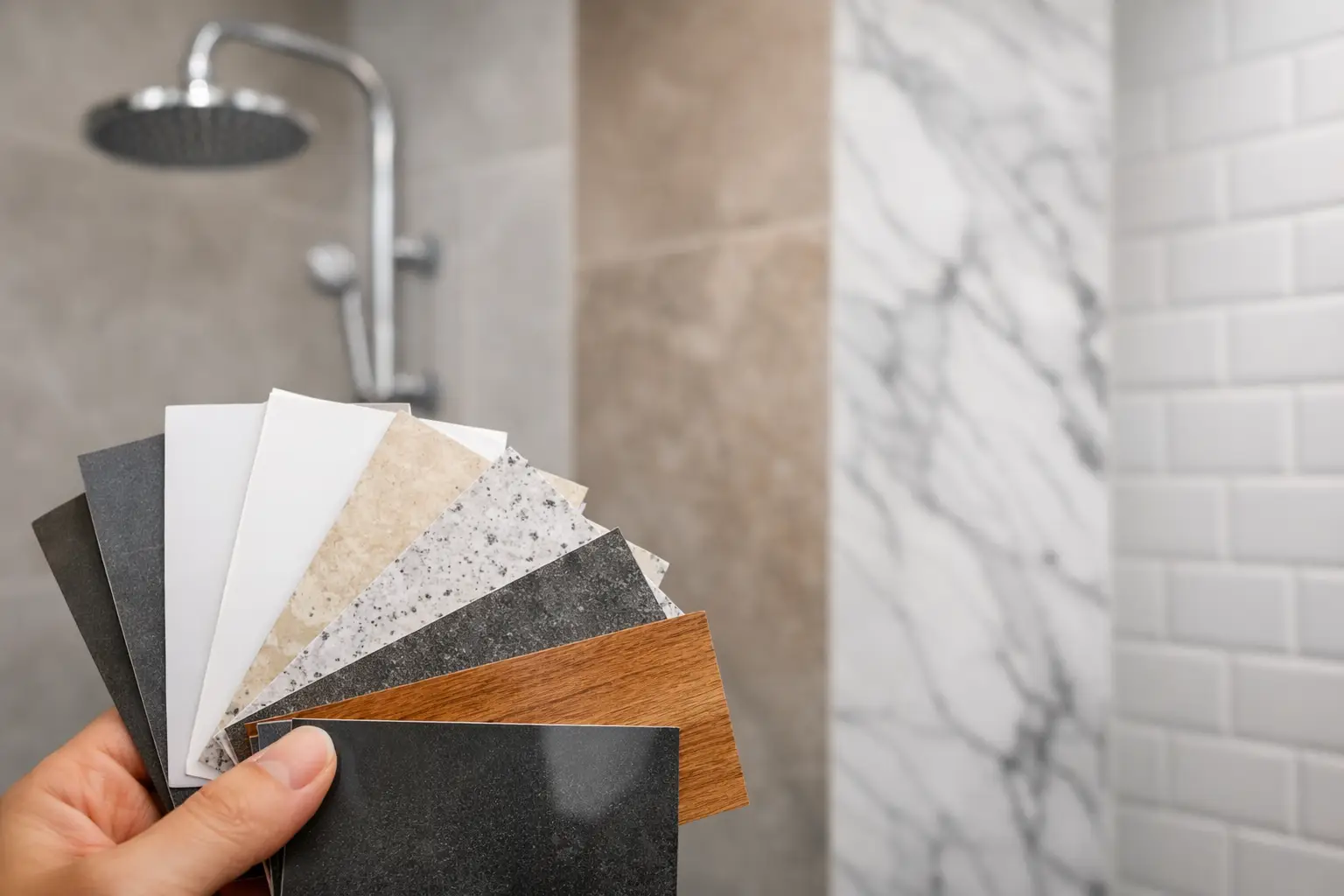
If you have ever priced a shower remodel and felt like every company was pushing a different wall system with a different sales pitch, you are not imagining it. Learning how to compare shower wall materials matters because the surface you choose affects not just how your shower looks, but how much you clean, how long it lasts, and how much hassle you deal with after installation.
The problem is not a lack of options. It is too many options, often explained badly. One contractor says tile is the premium choice. Another says acrylic is the only practical option. Someone else pitches composite panels as the best of both worlds. Strip away the sales script, and the decision gets much simpler. You are comparing appearance, maintenance, durability, installation complexity, and total cost over time.
How to compare shower wall materials without the sales pitch
Start by ignoring loaded terms like luxury, premium, or builder grade. Those labels are often marketing shortcuts, not useful buying criteria. A better approach is to ask what daily life with the material will actually feel like.
Will it show grime quickly? Does it have grout lines? Can it handle heavy use? If something cracks or stains, can it be repaired? Does installation take one day or several? These are the questions that expose the real trade-offs.
For most homeowners, the main shower wall materials worth comparing are tile, fiberglass or acrylic surrounds, and engineered wall panels such as composite, solid surface, or high-performance polymer systems. Natural stone also exists, but for most practical remodels, it is a niche choice because cost and maintenance climb fast.
The real categories of shower wall materials
Tile
Tile wins on design flexibility. If you want a custom look, unusual shapes, dramatic texture, or a very specific color, tile gives you the most freedom. It can look high-end because it often is high-end, at least on the front end.
But tile brings grout, and grout changes the ownership experience. Even when sealed properly, grout lines create more maintenance. They can discolor, trap soap residue, and require more scrubbing than smooth wall systems. Tile installations also depend heavily on installer skill. A great installer can deliver a beautiful, durable result. A bad one can leave you with leaks, uneven lines, and expensive repairs.
Tile is often the right fit for homeowners who care most about custom design and are comfortable with more upkeep. It is less ideal for someone who wants a clean, modern shower with minimal maintenance.
Fiberglass and acrylic surrounds
Fiberglass and acrylic are common because they are affordable, fast to install, and easy to clean. They usually come in large sections with minimal seams, which means fewer places for grime and moisture to build up.
The catch is appearance and feel can vary a lot. Lower-end units may look thin, glossy, or dated. Better-quality acrylic systems can look cleaner and more substantial, but they still tend to offer fewer style options than tile or premium wall panels. They can also scratch over time, and cheaper products may flex or feel less solid.
If your top priorities are budget and speed, this category deserves a serious look. If you want a more upscale look without grout, you may want to compare it carefully against newer panel systems.
Engineered wall panels
This category is where many modern shower remodels land because it solves problems that homeowners are tired of dealing with. Engineered panels are designed to deliver a more polished appearance than basic surrounds while avoiding the maintenance burden of tile.
Depending on the product, these panels can mimic stone, marble, or large-format tile. Many use large, grout-free or low-seam panels that clean easily and install faster than a full tile job. The best systems are durable, water-resistant, and built to hold up in everyday use without turning cleaning into a weekend project.
Not all panels are equal, though. Some are thin decorative skins. Others are heavier-duty systems built for long-term durability. This is where homeowners need to ask sharper questions about thickness, substrate, scratch resistance, and warranty instead of assuming all panels are basically the same.
Natural stone
Stone looks impressive, but it comes with a premium price and regular upkeep. It can require sealing, careful cleaning, and ongoing attention to prevent staining or moisture issues. It also increases installation complexity and cost.
For a primary family shower, stone is often more commitment than most homeowners want. It can make sense in a high-end custom bath where visual impact matters more than low maintenance. For everyone else, there are usually more practical ways to get a premium look.
What actually matters most when comparing materials
Maintenance
This is where many buying decisions become obvious. A shower gets used hard. Water, shampoo, soap film, and humidity are relentless. If you want the easiest long-term ownership experience, fewer seams and no grout usually win.
Tile demands the most attention. Smooth acrylic and engineered panels generally require less effort. If you already know you do not want to scrub grout lines or reseal surfaces, that should narrow your options quickly.
Durability
Durability is not just about whether a material can survive impact. It is also about how well it holds up visually. Does it stain, fade, crack, scratch, or loosen over time?
Tile itself can be durable, but grout and installation quality are part of the equation. Acrylic can perform well, but lower-quality products may scratch or feel less substantial. Better engineered wall systems are often appealing because they combine a solid feel with simpler maintenance.
Style and design flexibility
If you want a one-of-a-kind look, tile still leads. If you want a clean, modern, upscale appearance without custom labor, engineered panels are often the sweet spot. Basic surrounds usually offer the fewest design options, though that may be fine if your goal is function over flair.
This is where personal preference matters. Some homeowners love the visual texture of tile. Others want larger, calmer surfaces that make a bathroom feel cleaner and more updated.
Installation time and disruption
This category gets overlooked until the remodel starts. Tile typically takes longer and introduces more variables. More labor usually means more cost and more opportunity for delays.
Panel systems and surrounds are often faster to install, especially when designed specifically for remodel applications. That speed is not just about convenience. It can also reduce labor costs and shorten the time your bathroom is out of service.
Total cost, not just sticker price
The cheapest quote is not always the cheapest shower. A lower upfront material cost can be offset by shorter lifespan, weaker appearance, or more maintenance over time. On the other hand, paying top dollar for a custom tile installation may not make sense if your real goal is simplicity and easy cleaning.
The better question is this: what are you getting for the price? Faster installation, lower maintenance, stronger warranty coverage, and a better-looking finish all have real value.
How to compare shower wall materials for your home
A smart comparison starts with your priorities, not the contractor’s favorite product. If your household is busy and you want a shower that looks good without constant upkeep, low-maintenance panels or quality acrylic systems will likely make more sense than tile. If design freedom is everything and you are willing to accept more cleaning and a longer install, tile may still be the right call.
It also helps to think about who will use the shower. A guest bath can tolerate more style-first choices. A primary shower used every day needs to be practical. Families with kids often benefit from smoother surfaces and fewer seams. Homeowners planning to stay in the home long term usually care more about easy maintenance and durability than trendy details.
This is also the point where transparency matters. You should be able to see how material choices change price, timeline, and maintenance expectations without sitting through a two-hour in-home pitch. That is one reason many homeowners are moving toward a simpler buying process with clearer product comparisons and upfront pricing.
Questions worth asking before you decide
Ask what the wall system is made of, how many seams it has, what kind of maintenance it needs, and how it is backed by warranty. Ask whether the quoted price includes full installation, trim, waterproofing details, and demolition if needed.
Also ask what the shower will look like in five years, not just on installation day. That question cuts through marketing fast. A material that photographs well but scratches easily or turns cleaning into a chore is not a win.
The best shower wall material is rarely the most hyped one. It is the one that fits your budget, your design standards, and your tolerance for maintenance without surprises baked into the process. If you compare materials based on real life instead of showroom talk, the right choice usually gets clear fast.
A good shower should make your bathroom easier to live with, not give you one more thing to manage.