
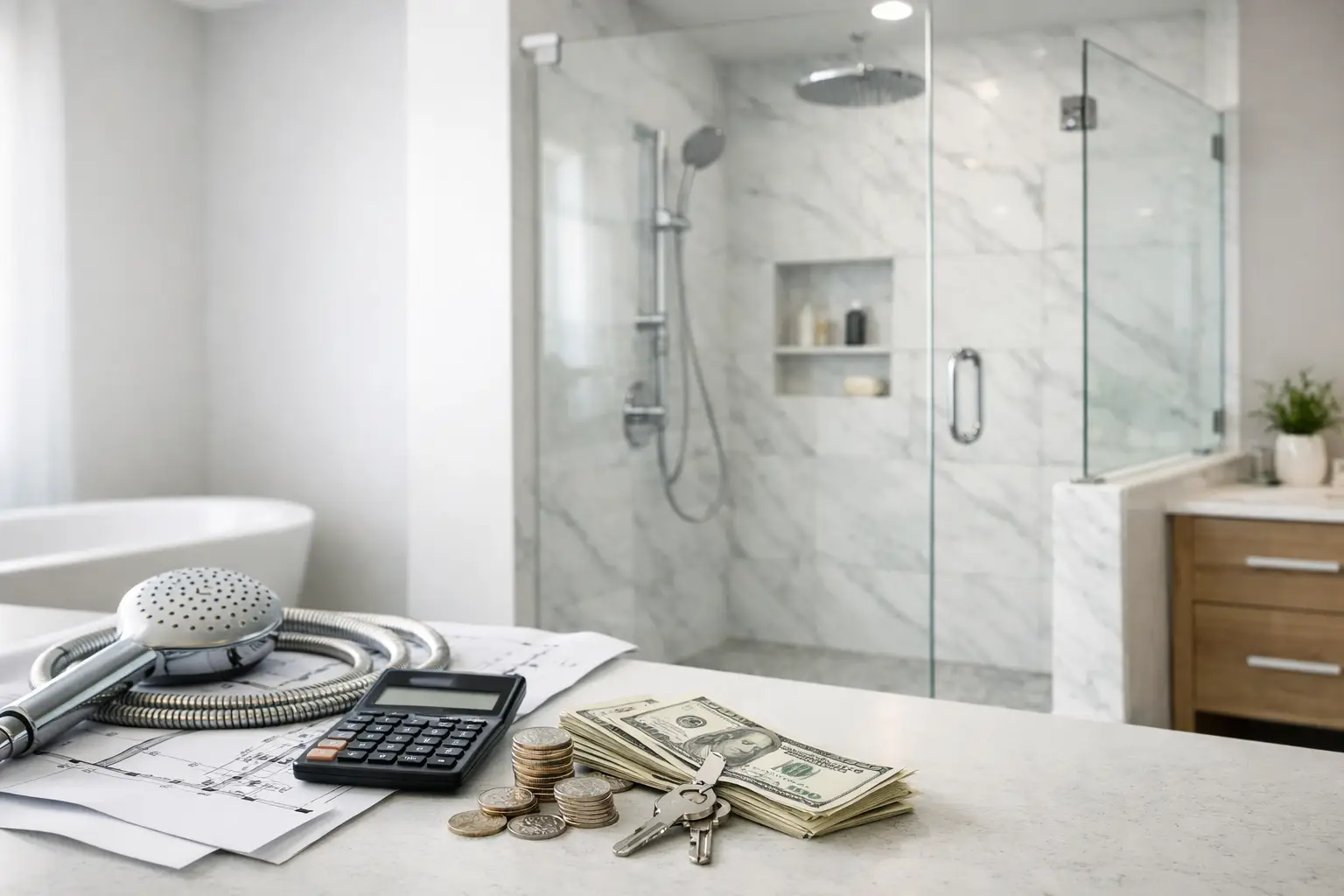
Sticker shock usually hits after the appointment, not before it. A salesperson sits at your kitchen table, “finds” a discount, calls a manager, and somehow the price of your shower changes three times in one night. That is exactly why so many homeowners start by asking: how much does a new shower cost?
The honest answer is that most new shower projects land somewhere between a few thousand dollars for a basic replacement and well into five figures for a fully customized remodel. The wide range is real, but so is the confusion. Price depends on what you are replacing, what materials you choose, whether plumbing moves, and how the company selling the job is structured. Some costs come from the shower itself. Others come from the old-school remodeling process wrapped around it.
How much does a new shower cost in real life?
For a straightforward shower replacement, many homeowners see pricing start around $5,000 to $8,000. That usually covers a standard-size project with mid-range materials, professional installation, and no major surprises behind the wall.
A more upgraded shower remodel often lands in the $8,000 to $12,000 range. This is where you start seeing better wall systems, nicer fixtures, glass upgrades, built-in shelving, seating, or design changes that make the space feel more custom.
Once you move into larger footprints, premium finishes, tile-style wall systems, frameless glass, plumbing relocation, or accessibility upgrades, costs can climb past $12,000 and sometimes much higher. If structural repairs, water damage, or subfloor issues show up during demolition, the final number can rise again.
That range may sound broad, but it reflects reality. A new shower is not one single product with one fixed price. It is a combination of materials, labor, demolition, installation, and service model.
What actually drives shower cost up or down?
The biggest price difference usually starts with the scope of the project. Replacing an old shower with a new one in the same footprint is generally the most affordable path. Converting a tub into a shower, expanding the space, or reworking plumbing adds cost fast because labor gets more involved.
Shower type and layout
If your project is a direct swap, the installer can usually work faster and with fewer unknowns. A tub-to-shower conversion often costs more because the base, wall area, plumbing height, and drainage setup may all need adjustments.
A custom-size shower also tends to cost more than a standard-size installation. Bigger showers require more material, more glass, and more labor. Corner units, alcove showers, and walk-in designs each come with different installation complexity.
Materials matter more than most people think
Material choices can swing the cost by thousands. Basic fiberglass or acrylic units usually cost less upfront, but not all wall systems are created equal. Some lower-priced products look inexpensive because they are inexpensive. Thin materials, limited style options, and a less finished appearance can leave the remodel feeling more builder-grade than upgraded.
Higher-end wall systems that mimic tile or stone without the maintenance usually cost more, but they often appeal to homeowners who want a premium look without grout cleaning and long installation timelines. Real tile can also drive cost up because labor is higher and installation takes longer.
Fixtures and glass upgrades
A showerhead is not just a showerhead in pricing terms. Basic chrome fixtures cost less than matte black, brushed nickel, or premium finishes. Rain heads, handheld sprays, body sprays, and thermostatic valves add convenience, but they also add material and labor cost.
The same goes for glass. A curtain or standard door costs less than a heavy, frameless glass enclosure. If your goal is a cleaner, more open look, glass is often worth it. But it is one of the quickest ways to move a project from basic to premium pricing.
Installation and hidden conditions
Demolition sounds simple until the walls open up. If there is mold, rot, outdated plumbing, or damage from years of moisture, that repair work has to happen before the new shower goes in. Those are not optional line items. They are the difference between a remodel that looks good for six months and one that lasts.
Labor also varies by market and by contractor model. A company using certified installers and a defined process may charge more than a one-person operation, but lower bids are not always lower value. If a quote seems unusually cheap, it is fair to ask what is missing.
The cost difference between a basic shower and a premium one
A lot of homeowners are not really asking for the cheapest shower. They are asking for the best value. Those are different things.
A basic project usually focuses on function. You get a new shower, clean lines, standard fixtures, and a faster replacement of an outdated unit. For some households, that is the right call.
A premium project usually adds comfort, appearance, and easier maintenance. That might mean thicker wall panels, integrated storage, a built-in bench, upgraded hardware, low-threshold entry, or glass that transforms the look of the room. These upgrades cost more, but they also tend to be the features homeowners appreciate every day.
The trade-off is simple. A lower price may solve the immediate problem. A better-designed shower may deliver more satisfaction over time.
Why quotes for the same shower can be wildly different
This is where homeowners get frustrated, and rightly so. Two companies can quote what looks like the same project and be thousands apart.
Sometimes the difference is product quality or labor standards. But often, the gap comes from overhead and sales tactics. Traditional bath remodelers may build the cost of showrooms, commissioned reps, repeated home visits, and inflated discount structures into the quote. That means the number you see may have as much to do with their sales process as your actual shower.
If a company starts high just so they can “discount” the job later, that is not savings. It is theater.
A more modern pricing model strips out a lot of that friction. Instead of waiting for a rep to arrive, sit, measure, pitch, and negotiate, homeowners can increasingly expect clearer pricing upfront and fewer games around it. That does not make every shower cheap. It makes the buying process more honest.
How to budget without getting trapped by a low number
The smartest way to budget is to separate must-haves from nice-to-haves before you ever compare quotes. If safety, easy cleaning, and a modern look are your priorities, make sure your budget protects those first. Then decide whether premium fixtures or custom glass are worth the extra spend.
It also helps to ask every company the same questions. What is included in demolition? Are wall repairs covered? Is plumbing relocation extra? What kind of warranty comes with the installation? Does the price include materials, labor, and cleanup, or are there likely change orders later?
A low quote that excludes key work is not a bargain. It is just a delayed surprise.
Should you repair, replace, or fully remodel?
Not every shower problem requires a full remodel. If the issue is cosmetic and the structure is sound, a repair may buy you more time. Recaulking, fixture replacement, or minor surface updates can make sense for a newer shower with limited wear.
But if the base is failing, the walls are dated, leaks are recurring, or the layout no longer works, patchwork fixes usually become expensive procrastination. Spending money repeatedly on an old shower can add up fast without solving the core problem.
A full replacement tends to make the most sense when you want reliability, easier maintenance, and a better daily experience. For homeowners who are tired of chasing estimates and sitting through sales presentations, that process matters too. Companies like ModernDayBath are betting, correctly, that buyers would rather see real pricing and make decisions on their own terms.
What a fair shower price looks like
A fair price is not the cheapest number on the page. It is a number that matches the quality of the materials, the scope of the work, the professionalism of the installation, and the clarity of the process.
If you are comparing shower quotes, watch for three things. First, is the scope clearly defined? Second, does the product quality justify the number? Third, does the buying experience feel transparent or staged? Homeowners usually know when they are being sold to instead of helped.
If a company cannot explain the price clearly, that is a warning sign. If they can explain it in plain English and show you exactly how choices affect cost, that is a much stronger foundation for a remodeling decision.
The best shower project is not just one you can afford. It is one you understand before you commit, with no pressure, no mystery fees, and no fake discount clock running in the background.