
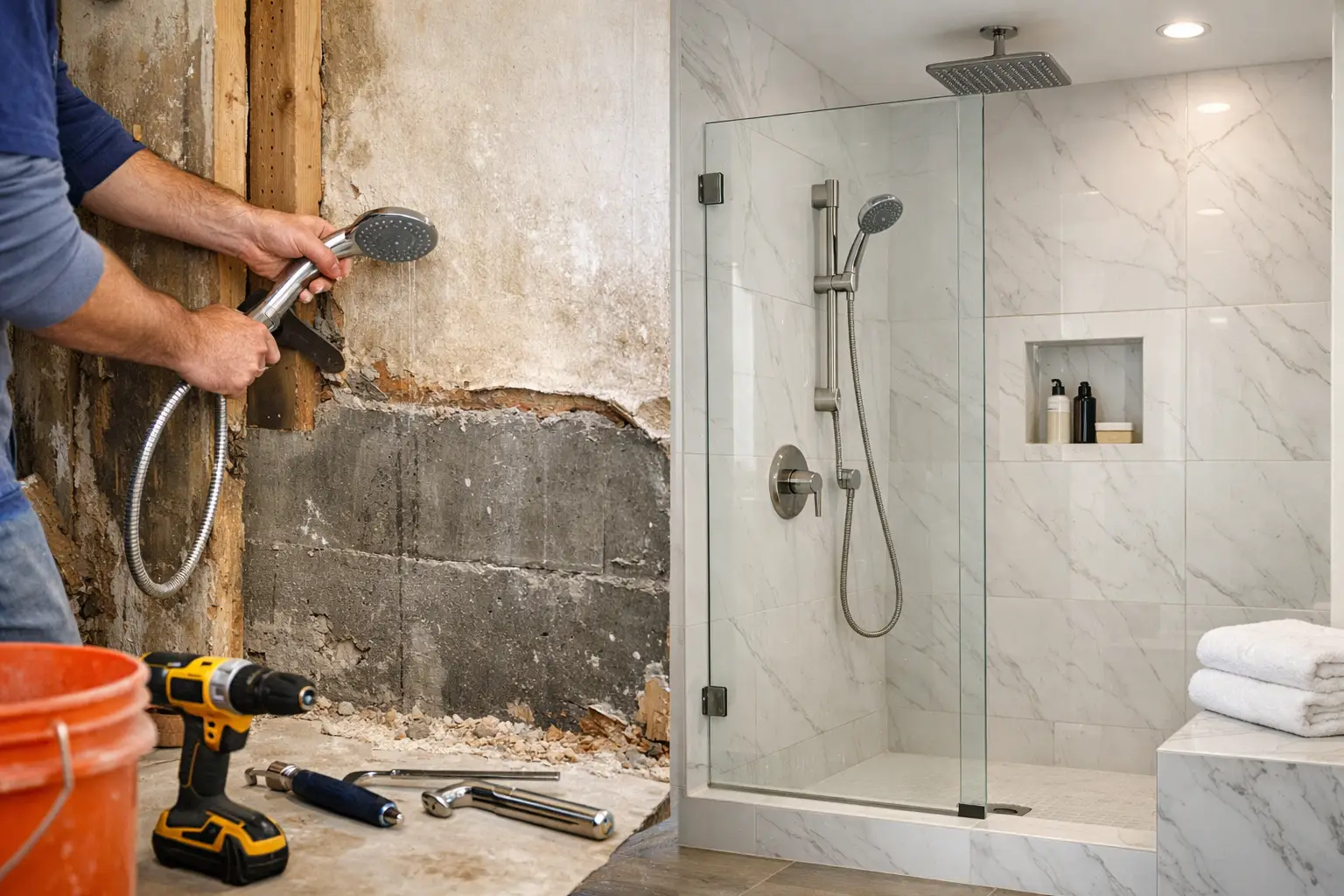
If your shower has reached the point where you scrub it more than you use it, replacement stops being a cosmetic upgrade and starts feeling like overdue maintenance. This homeowner guide to shower replacement is built for people who want clear answers before they invite anyone into the house, sit through a sales pitch, or commit to a price that keeps moving.
Shower replacement sounds simple until you start comparing options. Are you swapping out an old fiberglass stall for something cleaner and more durable? Replacing a tub-shower combo with a walk-in shower? Fixing leaks, cracked pans, stained grout, or outdated walls? The right path depends on what is actually failing, what you want the space to do better, and how much disruption you are willing to accept.
When shower replacement makes more sense than repair
A lot of homeowners try to stretch the life of an old shower with recaulk, regrouting, patch kits, and deep cleaning. Sometimes that works. Often it just buys a few more months.
Replacement is usually the smarter move when the base is cracking, the walls are soft behind the surface, water is escaping where it should not, or the shower is simply too hard to maintain. Cosmetic wear alone is one thing. Structural wear is different. If the shower feels dated but still solid, you may have choices. If water has been getting where it should not, waiting gets expensive fast.
There is also the usability issue. Many homeowners replace showers because the existing setup no longer fits daily life. A high tub wall becomes a tripping hazard. Narrow doors feel cramped. Old framed enclosures collect grime. What looked fine 15 years ago can feel frustrating now.
A homeowner guide to shower replacement starts with scope
Before you compare products or prices, define the job. Not every shower replacement is the same, and that is exactly why prices can swing so much.
A basic replacement keeps the same footprint and plumbing locations. That is usually the fastest and most budget-friendly option because you are not asking the installer to reroute lines or rework the entire layout. If your current shower size works and the main problem is age, this route often gives you the best value.
A more involved replacement changes the format of the space. That might mean converting a tub to a shower, expanding the shower area, adding built-in shelving, switching to a low-threshold entry, or upgrading fixtures and doors. These changes can improve comfort and accessibility, but they also add labor, materials, and decision points.
This is where many homeowners get frustrated with traditional remodelers. You ask for a straightforward replacement and end up in a long in-home appointment where every upgrade becomes a pricing mystery. A better process is one where the scope is clear, options are visible, and pricing changes as selections change.
What drives the cost
The biggest cost factors are size, wall system material, shower base type, fixture package, door style, and whether plumbing needs to move. Demolition and hidden water damage can affect the final number too.
Wall material matters more than many people realize. Tile has a premium look, but it also comes with grout lines, maintenance, and more labor. Low-maintenance wall systems have become a popular alternative because they deliver a clean, finished look without turning your shower into a cleaning project. For many homeowners, that trade-off is worth it. You may give up some of the custom variability of tile, but you gain easier upkeep and often a faster install.
Door choices also move the price. A shower curtain setup is the most affordable. A framed glass door costs more. A heavy frameless glass enclosure can look great, but it raises the budget and may require more cleaning than people expect. Premium does not always mean practical.
Then there is plumbing. If you keep the valve, drain, and showerhead in the same general location, the project stays simpler. Move them, and labor increases. Sometimes moving plumbing is worth it, especially if the old layout is awkward. But it should be a deliberate choice, not an accidental cost surprise.
Materials that hold up in real life
The right shower should look good on day one and still feel easy to live with years later. That means thinking beyond showroom appeal.
Acrylic and composite wall systems are popular because they resist staining, clean up easily, and avoid the grout maintenance that comes with tile. They are especially attractive for busy households and anyone tired of scrubbing joints and corners. Quality matters here. A cheap wall system can look cheap. A well-made one can deliver the polished look most homeowners want without the hassle.
Shower pans and low-threshold bases should feel solid underfoot and be designed for water control, not just appearance. Slip resistance, slope, and drainage matter. If accessibility is part of the goal, this is not the place to cut corners.
Fixtures should match how you use the shower. A rainfall head looks nice in photos, but some homeowners prefer the pressure and flexibility of a handheld combo. If more than one person is using the bathroom, think about daily habits, height differences, and cleaning convenience.
Timeline: what to expect
One reason homeowners delay shower replacement is the fear that the bathroom will be torn apart for weeks. That can happen with a full custom remodel. It does not have to happen with a focused replacement.
A straightforward shower replacement can often be installed in as little as a day or two once materials are ready, though exact timing depends on the scope. Custom tile, plumbing relocation, structural repairs, and permit requirements can extend the timeline. The planning phase matters too. Good projects move faster because decisions are made early, materials are selected upfront, and pricing is agreed on before demolition starts.
This is where an online-first process can actually help. Instead of waiting for callbacks, showroom visits, and another round of quote revisions, homeowners can narrow selections quickly and understand the cost before scheduling. That speed is not just convenient. It reduces the odds of a project dragging out because basic decisions were never settled.
How to compare shower replacement companies
Most homeowners are not just choosing a shower. They are choosing a process.
If a company insists on a long in-home appointment before it will even discuss pricing, pay attention. That model often exists to control the conversation, not to help you. High-pressure sales tactics, same-day discounts, and vague upgrade language are common in this category for a reason. They work on people who feel rushed.
A better company explains what is included, shows how pricing works, and respects the fact that you may want to make decisions without a stranger sitting at your kitchen table for three hours. Look for certified installation, clear warranty coverage, and a simple explanation of what happens if hidden damage is found once the old shower comes out.
It is also fair to ask how the company handles change orders, scheduling, and cleanup. A low quote can stop looking low once the extras start piling up. Transparent pricing beats a flashy discount every time.
Smart design choices that age well
A shower replacement should not feel trendy for six months and tired after two years. The safest choices are usually simple ones.
Neutral wall patterns, clean lines, built-in storage, and fixtures in proven finishes tend to hold up better than highly specific style statements. That does not mean boring. It means choosing design elements that still work if your towels, paint, or flooring change later.
Accessibility features are also worth considering before you need them. A low threshold, grab bar blocking behind the wall, a built-in seat, or a handheld showerhead can make the space easier for everyone. These features are often framed as medical or age-related, but many are simply practical.
Common mistakes homeowners make
The first mistake is shopping by headline price alone. A cheap quote may leave out demolition, wall prep, upgraded fixtures, or glass. Compare what is actually included.
The second is overbuilding for the house. If you are remodeling a hall bath used mostly by guests, you may not need every premium upgrade. If it is the primary shower you use every day, convenience and durability probably matter more.
The third is ignoring maintenance. Some materials look fantastic in photos and become annoying in real life. Be honest about how much cleaning you want to do.
And finally, do not underestimate the value of a straightforward buying experience. Companies like ModernDayBath are pushing the category forward because homeowners are tired of the old remodel playbook – inflated pricing, fake urgency, and long appointments that drain your time before the work even begins.
The right replacement is the one you will still like next year
A good shower replacement solves more than appearance. It should make the bathroom easier to clean, more comfortable to use, and less stressful to buy. If the process feels confusing, the quote feels slippery, or the pressure starts early, that is a sign to step back. The best remodel decisions usually come when you have enough clarity to say yes on your terms.