
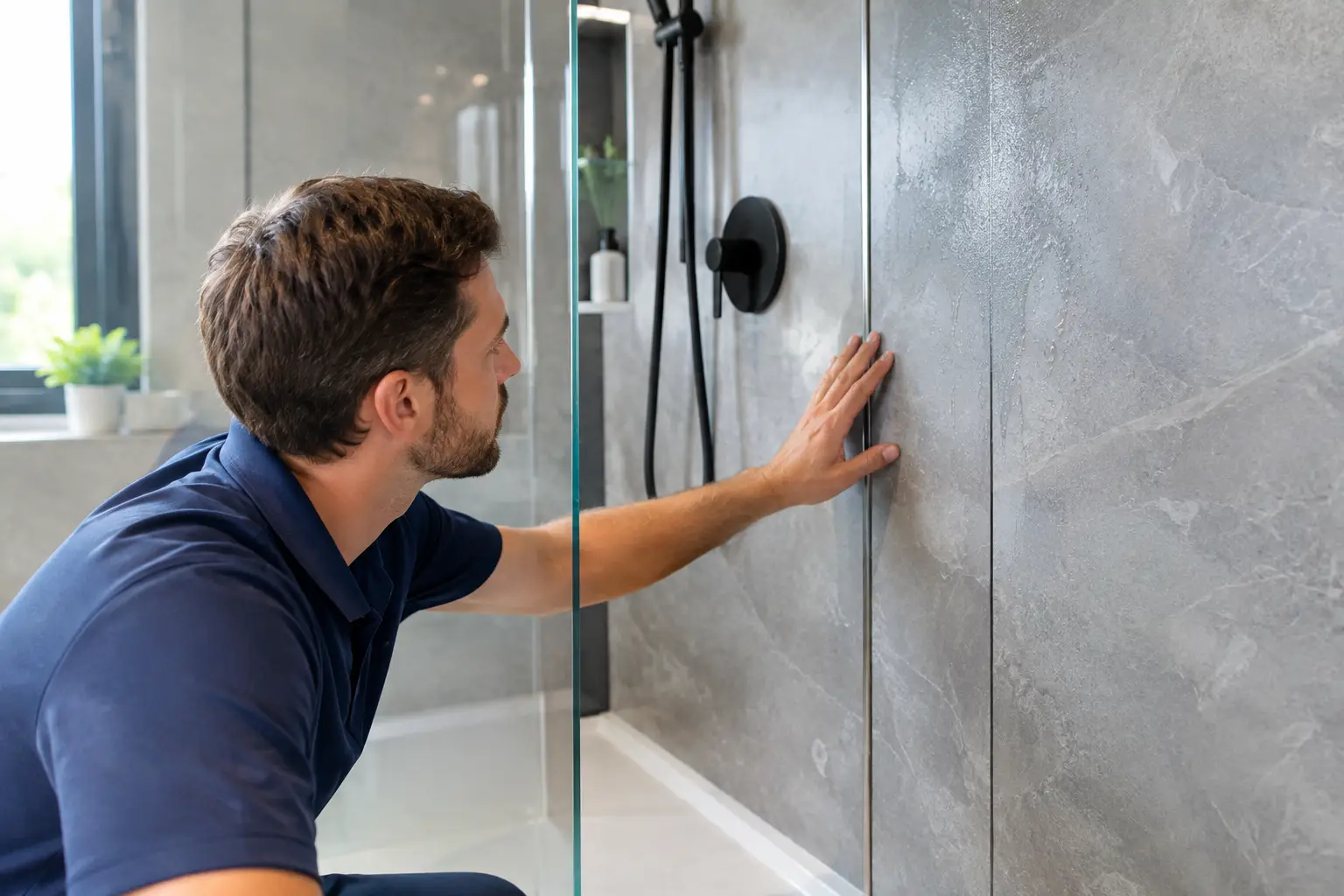
A shower wall should handle water every day without turning your bathroom into a hidden repair project. So, do shower wall panels leak? They can, but not because wall panels are inherently unreliable. Leaks almost always come down to one thing: poor installation, bad preparation, or a system that cuts corners where it matters.
That distinction matters when you are comparing a wall panel remodel with traditional tile. Tile has grout lines that can crack and absorb moisture over time. Quality shower wall panels use large, waterproof surfaces with far fewer seams. Done correctly, they can be one of the most dependable, low-maintenance choices you can make.
The catch is simple. A waterproof panel is only as good as the joints, edges, plumbing penetrations, and installation behind it. No sales pitch should pretend otherwise.
Do Shower Wall Panels Leak When Installed Correctly?
A properly installed shower wall panel system should not leak. The panels are designed to create a water-resistant enclosure, directing water back into the shower pan or tub rather than into the wall cavity.
Unlike tile, which relies on dozens or hundreds of grout joints, wall panels have a small number of sealed connections. This reduces the number of places water can get through. Many premium systems are also nonporous, so they will not soak up water, stain easily, or require regular grout sealing.
But “waterproof material” and “waterproof shower” are not the same promise. The full assembly has to work together. That means the wall surface must be sound, the panels must be fitted correctly, the seams must be sealed with the right materials, and the base or tub must be properly integrated with the walls.
If an installer skips any of that, water can find its way behind even an expensive panel system. It may not show up immediately. A slow leak behind a wall can take months to reveal itself through peeling paint, soft drywall, a musty smell, or damage on the ceiling below.
Where Shower Wall Panel Leaks Actually Start
Most homeowners picture water somehow passing through the middle of a wall panel. That is rarely the issue. Quality panels are built to resist daily shower use. The vulnerable spots are the transitions and openings.
Seams between panels
Panels need to meet tightly, often with a tongue-and-groove, trim, or adhesive-and-sealant connection. If the seam is not aligned, cleaned, or sealed correctly, water can work behind it. This is especially likely in a shower that gets heavy use or has a high-pressure showerhead aimed directly at a joint.
The connection to the shower base or tub
The bottom edge of the wall system is one of the most critical details. Water runs downhill, so it needs a clear path into the shower base, not behind it. A proper installation accounts for the flange, overlap, sealant, and expansion movement required by that specific system.
This is not a place for generic caulk and guesswork. The right materials and manufacturer-approved method matter.
Corners and trim
Inside corners, outside corners, and edge trim are common failure points when work is rushed. These areas need neat, continuous sealing and correctly fitted components. A sloppy bead of caulk might look acceptable on installation day, but gaps, weak adhesion, and uneven coverage can cause problems later.
Shower valves, heads, and accessories
Every hole cut for a valve, shower arm, grab bar, or other fixture needs to be planned and sealed. Oversized cuts, poorly supported panels, or improperly sealed plumbing openings create opportunities for water intrusion.
This is one reason installation experience matters. A shower wall is not just decorative material attached to drywall. It is a working water-management system.
Why Some Panel Installations Fail Early
The bathroom remodeling industry has a bad habit of making materials sound like magic. They are not. A lower-quality panel can be more prone to cracking, warping, discoloration, or loose seams. But even a good system can fail when the installer treats it like a quick cosmetic update.
The most common mistakes include installing over damaged or unstable walls, using the wrong adhesive, failing to level the panels, rushing cure time, and applying incompatible sealants. Another issue is ignoring moisture damage that already exists behind an old tile or fiberglass surround. Covering a problem does not fix it.
There is also a difference between a shower surround designed for wet areas and decorative wall cladding that happens to look good online. If a product is not specifically made for shower use, it may not be built to handle constant heat, humidity, cleaning products, and direct water exposure.
Price alone does not tell you whether a system will perform. Neither does a dramatic “today only” discount from a company that will not explain what is behind the wall. Ask what panels are made of, how the seams are sealed, how plumbing openings are handled, and what warranty covers water-related installation issues.
Wall Panels vs. Tile: Which Is Less Likely to Leak?
Neither material is leak-proof when poorly installed. The practical difference is maintenance and the number of potential failure points.
Tile showers depend on grout and caulk maintenance. Grout can crack, stain, or become porous without proper care. Behind the tile, there also needs to be a correctly installed waterproofing layer. If that layer is missing or compromised, a tile shower can leak even if the surface looks fine.
Wall panels reduce that complexity. With fewer joints and no traditional grout lines, there is less routine upkeep and fewer places for water to penetrate. For homeowners who want a clean, modern shower without signing up for annual grout repair, that is a meaningful advantage.
Tile still makes sense for people who want highly custom patterns, small-format mosaics, or a particular handcrafted look. It just demands more from the installation and more from the owner over time. A premium panel system is often the more practical choice when speed, easy cleaning, and long-term simplicity are priorities.
How to Prevent Leaks Before Your Remodel Starts
The best time to prevent a shower leak is before anyone removes the old surround. Do not let the conversation stop at color, finish, and fixture style. Those decisions matter, but the work behind the finished surface is what protects your home.
Start by choosing a system made specifically for showers, not a decorative product being repurposed for a wet wall. Then make sure the installer evaluates the existing wall condition. Rot, mold, soft drywall, and prior water damage need to be addressed before new panels go up.
You should also get clear answers on the installation process. A professional should be able to explain how panels are joined, how the bottom edge ties into the base or tub, what sealant is used, and how long the system needs before it can be used. Vague answers are a warning sign.
Finally, understand the warranty. A useful warranty is not just a line about the panel material. It should provide real accountability for workmanship and installation. ModernDayBath pairs professionally installed shower systems with a lifetime warranty because homeowners should not be left sorting out a water issue after the crew has moved on.
Signs Your Existing Shower Panels May Be Leaking
You do not always see a leak from inside the shower. Watch for recurring mildew at a seam, caulk that separates soon after replacement, loose or flexing panels, staining on an adjacent wall, soft flooring near the shower, or a damp smell that cleaning does not solve.
A small amount of surface mildew does not automatically mean water is behind the wall. Bathrooms are humid places. But if the same area keeps returning after proper cleaning, or you notice visible movement, staining, or softness, it is worth investigating promptly. Waiting can turn a manageable repair into subfloor, framing, or mold remediation work.
Do not try to solve every suspected leak with another layer of caulk. Caulk can be part of the repair, but it cannot correct a failed base connection, a cracked panel, or water damage behind the system. Find the source first.
A shower remodel should give you a better bathroom, not a new list of things to worry about. Choose a panel system built for wet environments, insist on careful installation, and expect straight answers about the details behind the finished walls. That is how you get the clean look, easy maintenance, and peace of mind you were actually paying for.