
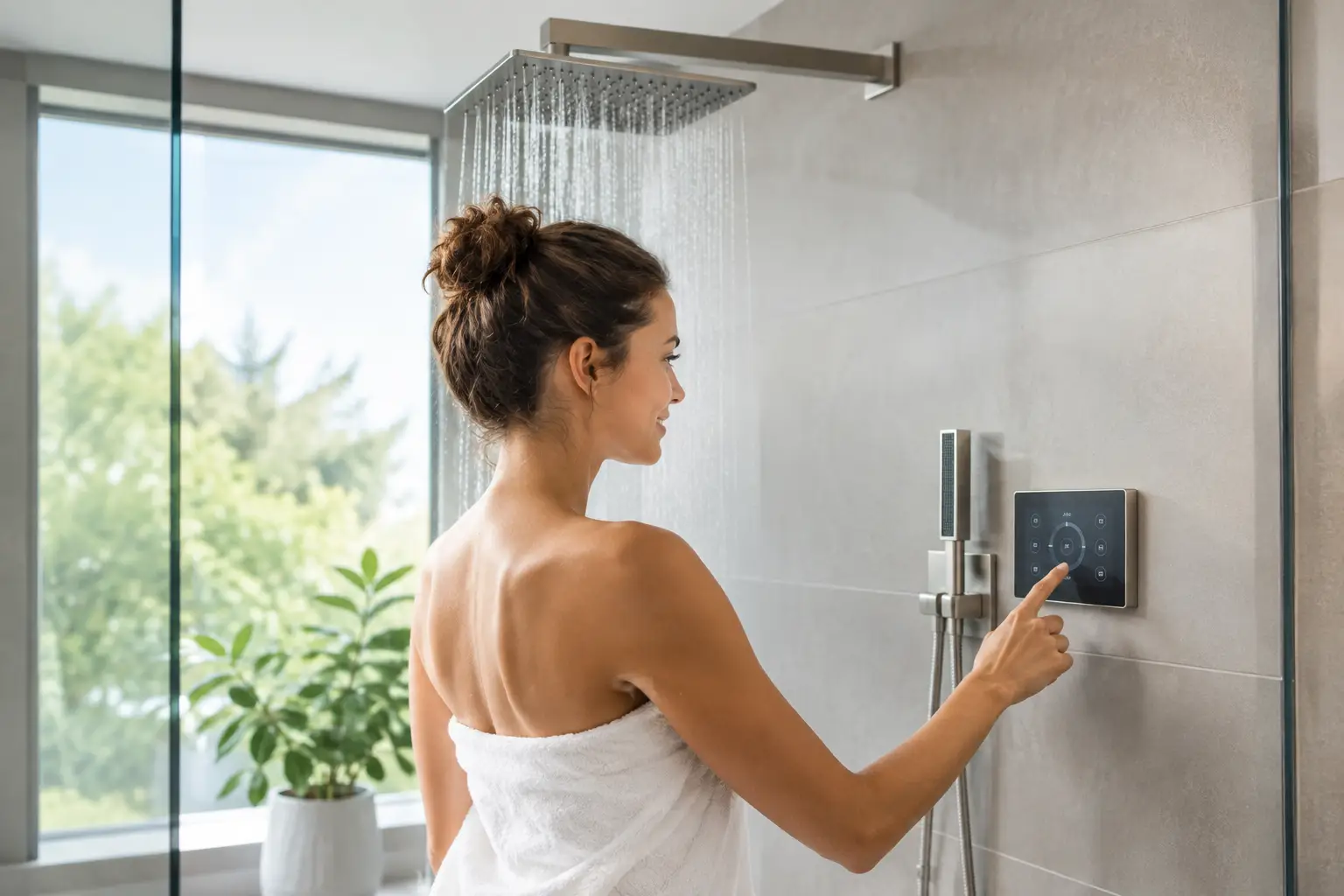
A shower remodel should not start with a stranger sitting at your kitchen table for three hours, circling a number on a quote, then calling a manager to invent a discount. A digital shower design example shows a better way: you make real design choices online, see how those choices affect the price, and move forward when you are ready.
That does not mean guessing at a finished bathroom from a tiny product photo. It means organizing the decisions that actually shape your shower – layout, wall color and pattern, fixtures, storage, accessibility, and installation – into a clear process. You stay in control, and the contractor’s job is to build what you selected correctly.
What a Digital Shower Design Example Looks Like
Picture a homeowner replacing an aging fiberglass tub-shower combo. The tub is hard to clean, the surround has cracked seams, and stepping over the tub wall is becoming less appealing every year. They want a walk-in shower that looks current, is easier to maintain, and does not require a drawn-out sales presentation.
They begin with the basics online: the existing space is approximately 60 inches wide, and the goal is a shower-only layout. A low-threshold shower base makes sense because it reduces the step into the shower without turning the room into a clinical-looking space.
Next comes the visual direction. Rather than trying to coordinate tile, grout, and several contractors, the homeowner selects large-format wall panels in a soft marble-look finish. The panels create the clean, upscale appearance many people want from tile, without grout lines that collect soap residue and demand regular scrubbing.
For fixtures, they choose brushed nickel. It works with the existing bathroom hardware, feels less stark than chrome, and does not force a full-room redesign. A handheld showerhead is added for easier rinsing and practical cleaning. A corner shelf provides storage for daily-use products without cutting into the shower wall after installation.
As each option is selected, pricing should adjust in a way the homeowner can understand. That is the point. A digital design process is not useful if it hides the number until someone arrives to sell you on it.
The Design Choices That Matter Most
A good online shower builder does not need to overwhelm you with hundreds of minor decisions. It should focus on the choices that affect function, appearance, and budget.
Start with the shower footprint
The available space determines whether a standard shower base, a larger walk-in layout, or a tub replacement is realistic. It also affects glass, doors, and fixture placement. Measurements do not need to be perfect at the first stage, but they need to be honest. A professional installer can verify the site before work begins and flag any issue that changes the plan.
This is where digital design has a healthy limit. Online planning can make the shopping process faster and clearer, but it cannot see a hidden plumbing problem or a wall that is out of square. A trustworthy company does not pretend otherwise. It gives you a strong starting design, then confirms the final details before installation.
Choose walls for real life, not just a photo
Wall color and pattern do a lot of visual work in a small bathroom. Bright white can feel crisp and clean. Warm stone looks can make the room feel calmer. Darker panels can create contrast, especially with lighter flooring and fixtures.
But maintenance matters just as much as style. Traditional tile may be the right choice for a homeowner committed to its handcrafted look and willing to maintain grout. For many busy households, grout-free wall systems are the smarter trade-off. They deliver a polished finish with far less cleaning effort and fewer places for moisture to settle.
Select fixtures around daily use
A rainfall showerhead may look great in a showroom, but think through how your household actually uses the shower. A handheld fixture can make bathing kids, rinsing pets, and cleaning the enclosure easier. A slide bar can offer more flexibility for different heights. A pressure-balanced valve helps manage temperature changes when someone runs water elsewhere in the house.
The best fixture package is not necessarily the most expensive one. It is the one that makes the shower easier to use every day.
Add storage before the walls go up
Shampoo bottles on the floor make even a beautiful new shower feel unfinished. Shelves, recessed niches, and corner caddies should be considered as part of the original design, not an afterthought.
A recessed niche can look clean and intentional, but it depends on the wall structure and plumbing location. A corner shelf may be a better fit when the wall does not allow a niche. This is another reason installation expertise matters: a design should look good on screen and work in the actual space.
How Real-Time Pricing Changes the Remodel Experience
Most homeowners have heard the same home improvement pitch: get a “free” estimate, sit through the presentation, and hope the price is not inflated so someone can later offer a dramatic discount. That process is built to create pressure, not clarity.
With a digital-first approach, the price should respond to your selections. If you change wall style, add a handheld showerhead, or choose a different enclosure, you can see the impact before committing. That makes budgeting more practical. You can decide where an upgrade is worth it and where a standard option is the better value.
Transparent pricing also changes the conversation once installation is scheduled. Instead of negotiating against an arbitrary starting number, you are reviewing the project you chose. No sales reps. No pressure. No waiting around for a quote that should have been available from the start.
At ModernDayBath, that model is designed around a simple idea: homeowners deserve to make informed choices without the traditional remodeling sales circus. Digital selection and instant pricing do not replace professional installation. They remove the unnecessary friction before it.
A Practical Digital Design Path
For the homeowner in our example, the final design is a low-threshold 60-inch walk-in shower with marble-look wall panels, brushed nickel fixtures, a handheld showerhead, and built-in corner storage. The choices are balanced rather than extravagant. The shower feels more open, the walls are easier to maintain, and the features solve daily problems.
The online process gives the homeowner a clear price based on that design. From there, they can place a small deposit and schedule the next step instead of inviting multiple companies over to repeat the same sales presentation. A certified installer verifies measurements and conditions, confirms the final scope, and completes the renovation.
That sequence protects both sides. The homeowner gets clarity early. The installation team gets a documented plan rather than vague preferences relayed through a salesperson.
Questions to Ask Before You Finalize an Online Shower Design
Before approving any shower design, ask whether the quoted price includes professional installation, demolition, wall preparation, fixtures, and cleanup. Ask what happens if a site verification uncovers a condition that affects the project. Ask who performs the installation and what warranty stands behind the finished shower.
Also consider the future. A low threshold, secure grab bar placement, and a handheld showerhead can be useful long before accessibility becomes urgent. Planning for comfort now can prevent another renovation later.
The right digital shower design is not about clicking every upgrade. It is about choosing a shower that fits your space, your routine, and your budget – with the price visible before anyone asks you to sign anything.