
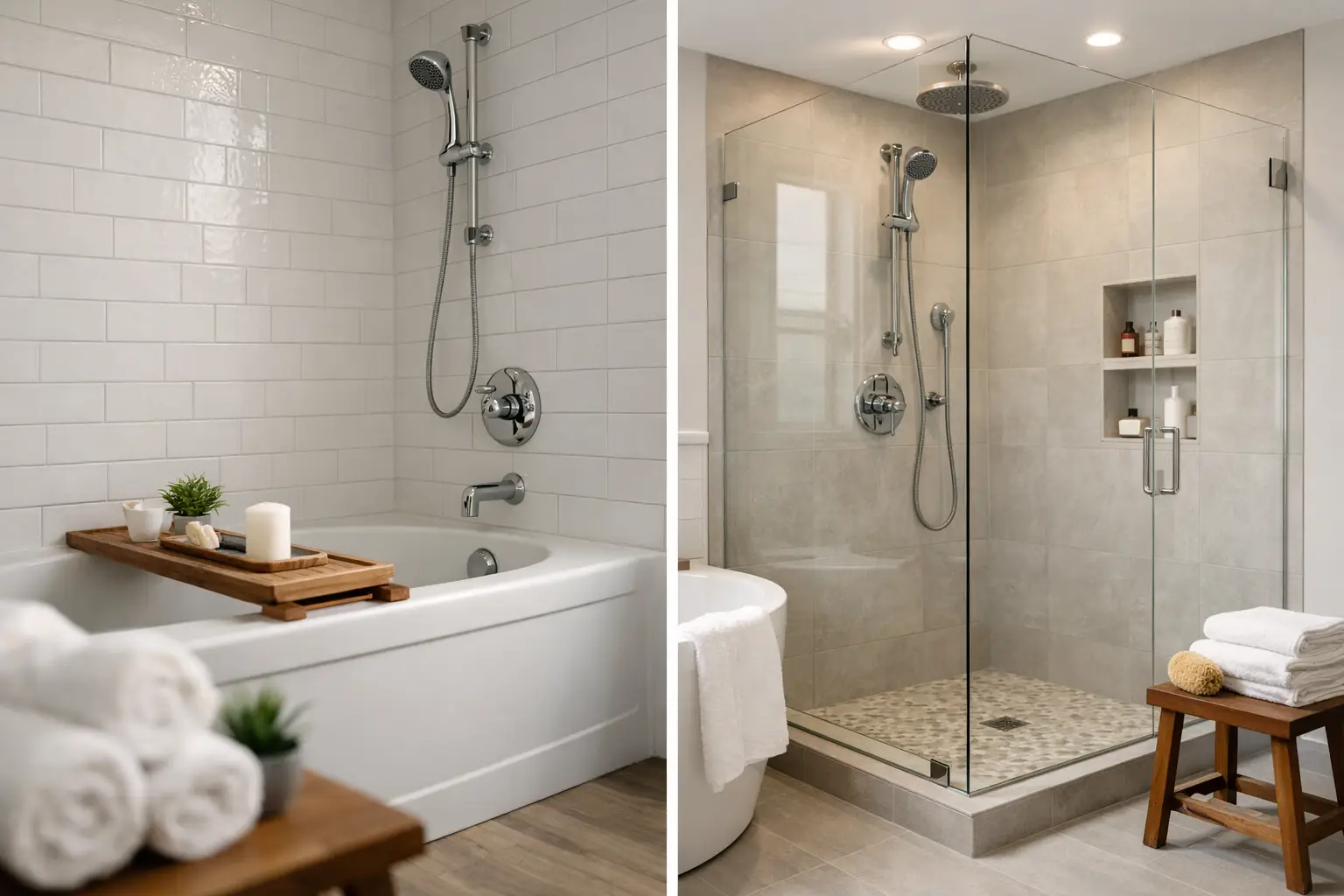
A bathtub that goes mostly unused takes up a surprising amount of valuable floor space. Meanwhile, a cramped shower-tub combo can make every morning feel less convenient than it should. The best tub to shower upgrades do more than replace one fixture with another. They make the bathroom easier to use, easier to clean, safer underfoot, and better suited to how you actually live.
The catch is that bathroom remodeling has long been packed with unnecessary friction: vague estimates, all-day sales appointments, and “today only” discounts that somehow reappear tomorrow. A smart upgrade starts with the right features, but it also requires a buying process that lets you see your options and pricing before anyone asks you to sign anything.
What Makes a Tub-to-Shower Upgrade Worth It?
A tub-to-shower conversion is often the practical choice for homeowners who rarely take baths, want more room to move, or need a lower step-in height. It can also update an older bathroom without requiring a complete gut renovation.
Still, not every conversion delivers the same result. The best projects focus on daily use, not just a photo-ready finish. Think about who uses the shower, how much storage they need, whether cleaning is a constant annoyance, and whether aging-in-place features would be useful now or later.
One trade-off deserves an honest look: if your home has only one bathtub, removing it may matter to future buyers with young children. If you have another tub elsewhere in the house, converting an unused primary or hall bath tub is usually an easier decision. Your plans for the home and the local market both matter.
1. A Low-Threshold Shower Base
The most noticeable improvement in a tub-to-shower conversion is getting rid of the high tub wall. A low-threshold shower base creates a more open entry and reduces the awkward step over the side of a tub.
This upgrade is about comfort as much as safety. It is helpful for anyone carrying a child, dealing with a temporary injury, or simply tired of balancing on one foot to get in and out. A low threshold is not always fully curbless, however. A true curbless shower can require floor modifications and extra waterproofing work, which may increase cost and extend the project.
For many homes, a low-profile base is the right balance: a cleaner look, easier access, and a straightforward installation path.
2. Full-Height, Low-Maintenance Wall Panels
Grout is where many beautiful tile showers become a maintenance project. It can stain, crack, and collect mildew, especially in a busy family bathroom. Full-height wall panels provide the finished appearance homeowners want without turning cleaning into a weekend chore.
The right panel system should cover the shower walls from base to ceiling or near-ceiling height, depending on the layout. Fewer seams mean fewer places for water and grime to settle. Modern wall designs also offer a wide range of stone, tile, and neutral finishes, so choosing low maintenance does not mean settling for a plastic-looking shower.
Tile can still make sense for a highly custom, architectural bath where budget and maintenance are secondary concerns. But for most homeowners, durable wall panels are the more practical upgrade. They look polished and spend far less time demanding attention.
3. Built-In Storage That Keeps Products Off the Floor
Shampoo bottles lined up on the shower floor make a new shower look cluttered fast. Worse, they create one more thing to step around. A recessed shower niche gives soap, shampoo, and skincare products a dedicated home without stealing elbow room.
A niche works best when it is sized around real products, not tiny hotel-size bottles. Consider a wider horizontal niche for a clean, modern look, or a taller vertical niche when wall space is limited. In a shared shower, two niches or a combination of a niche and corner shelves can prevent the usual battle for storage.
Ask where the niche will sit in relation to the showerhead. You want it easy to reach without placing your products directly in the heaviest spray zone. Good design is rarely complicated, but it should be intentional.
4. A Handheld Showerhead Alongside a Fixed Showerhead
A handheld showerhead is one of those upgrades people appreciate immediately after installation. It makes rinsing off easier, helps clean the shower walls, and is especially useful for children, pets, and anyone with limited mobility.
Pairing a handheld unit with a fixed showerhead gives you more flexibility than choosing one or the other. You can use the main showerhead for daily routines and the handheld feature when you need targeted spray or extra reach.
Do not choose fixtures based on appearance alone. Pay attention to handle placement, hose length, and whether the controls are easy to grip with wet hands. A sleek fixture that is frustrating to operate is not an upgrade.
5. Safety Features That Do Not Look Institutional
Safety upgrades have come a long way from the institutional look many homeowners want to avoid. Properly installed grab bars can blend into a modern shower design, especially when they match the finish of the faucet and shower fixtures.
Even if you do not need them today, reinforcing the wall during the remodel gives you options later. This is a small decision with long-term value, particularly for homeowners planning to stay in their home.
Slip resistance matters too. Choose a shower base designed with traction in mind, not a slick surface that looks great until the first time someone enters with wet feet. Safety should be built into the design, not added as an afterthought after a fall or injury.
6. Glass That Fits Your Bathroom, Not a Showroom Display
Glass can make a converted shower feel larger, brighter, and more finished. But the best choice depends on the room. A clear glass door creates an open look and lets your wall finish stand out. A sliding door can be practical in a tight bathroom where a swinging door would block the vanity or toilet. A shower curtain may still be the best option for an especially narrow layout or for easier access.
Keep cleaning in mind before selecting a glass enclosure. Frameless glass has a minimal, upscale appearance, but it will show water spots in areas with hard water unless it is wiped down regularly. Semi-frameless options can offer a strong visual upgrade with a little more forgiveness on price and maintenance.
There is no universal “best” glass choice. The right one fits your layout, your cleaning habits, and your budget without forcing a compromise somewhere else.
7. Lighting and Ventilation That Protect the Investment
A fresh shower can lose its appeal quickly in a dim, humid bathroom. Better lighting makes shaving, makeup, and everyday cleanup easier, while effective ventilation helps control moisture that can damage finishes over time.
If the shower area is dark, consider whether an overhead wet-rated light would improve visibility. For the rest of the room, layered lighting around the vanity often works better than relying on a single ceiling fixture. Ventilation should be sized for the room and vented properly, not simply left running into an attic or another enclosed space.
These upgrades may not be the first things guests notice, but they affect how the bathroom performs every day. They also help protect the materials you just paid to install.
How to Choose the Right Upgrade Package
Start with your non-negotiables. If accessibility is the priority, focus first on a low threshold, secure grab bars, easy-to-use controls, and a handheld showerhead. If cleaning is your biggest frustration, prioritize grout-free wall panels, practical storage, and glass you are willing to maintain. If you want a more premium look, wall finish, fixture color, and enclosure style will carry the most visual weight.
Then get clear on what is included. A low initial number means very little if it excludes demolition, plumbing adjustments, wall repair, fixtures, installation, or warranty coverage. Traditional remodelers often save the real conversation for an in-home sales presentation. That model gives the salesperson control over the pace and the price.
ModernDayBath takes a different approach: design the shower online, see pricing as you choose features, then schedule certified installation without giving up an afternoon to a commissioned sales rep. No pressure. No mystery math. Just a clearer way to make a major home decision.
The best upgrade is not necessarily the one with the most features. It is the shower that removes daily friction, fits your home, and comes with a process that respects your time before the work even begins.