
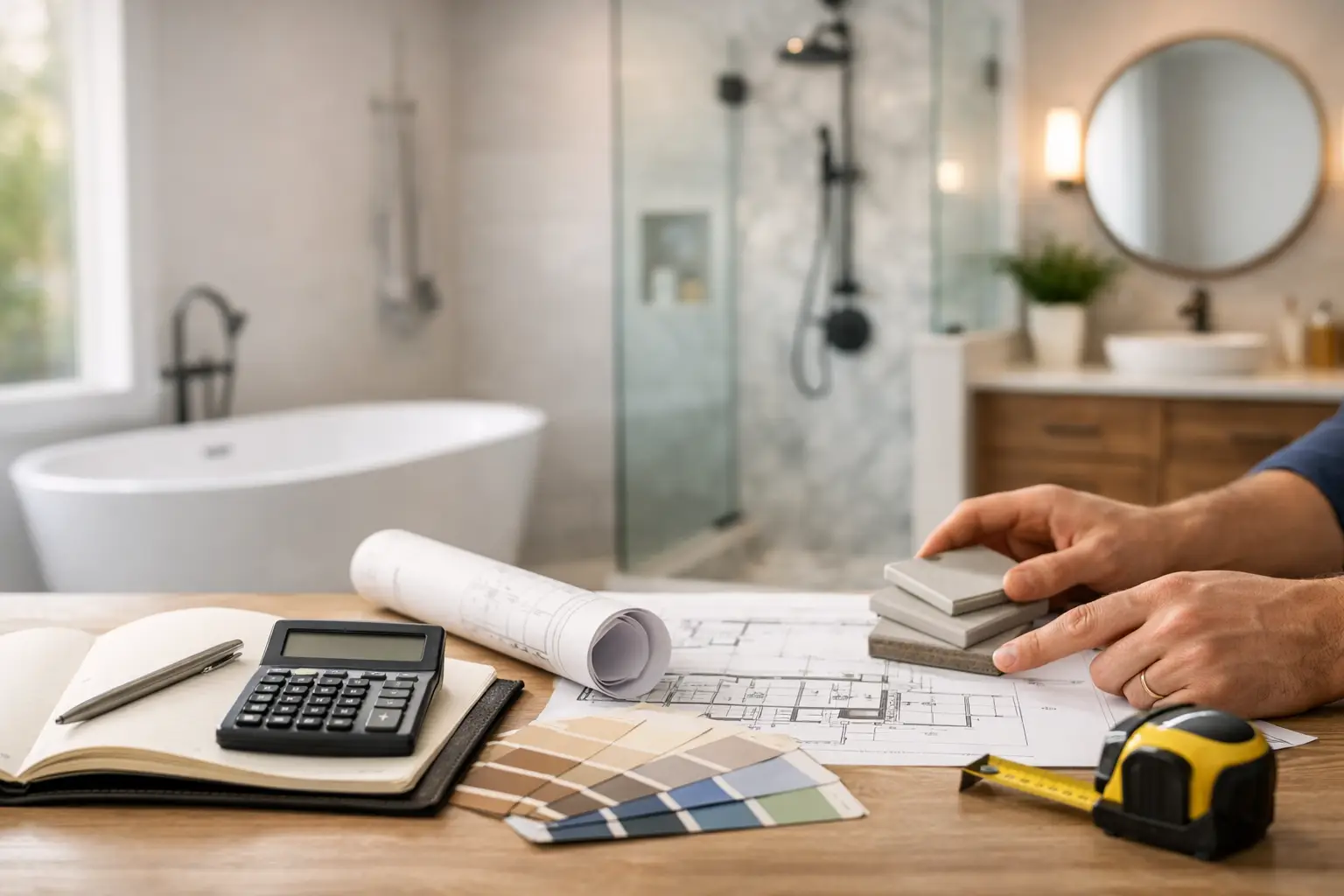
Sticker shock usually starts the same way – a “free” in-home estimate turns into a three-hour sales pitch, then a price that somehow drops if you sign tonight. A real bath remodel cost guide should do the opposite. It should tell you what actually drives the number, where the trade-offs are, and how to spot inflated pricing before you waste a weekend.
If you’re planning a bathroom update, the first thing to know is that remodel cost is less about square footage than scope. Replacing a tub or shower with new wall surrounds and fixtures is one budget category. Moving plumbing, changing layout, expanding the room, and rebuilding everything from the studs is another. Those two projects get lumped together online all the time, which is why bath remodeling prices can feel all over the map.
What a bath remodel cost guide should actually cover
A useful bath remodel cost guide starts by separating cosmetic updates from full reconstruction. Many homeowners are not gut-renovating the entire bathroom. They are replacing an old tub, converting a tub to a shower, updating worn walls, improving function, and wanting it done without months of disruption. That kind of project has a very different cost structure than a custom luxury renovation with tile setters, plumbers, electricians, and a designer all billing separately.
At the lower end, a basic refresh might include a standard replacement tub or shower, simple wall panels, and stock fixtures. In the middle, you start to see upgraded wall systems, glass doors, better hardware finishes, built-in storage, and cleaner installation details. At the higher end, costs rise fast when you add custom tile work, premium glass, layout changes, plumbing relocation, accessibility modifications, or structural repairs.
For most homeowners, the biggest pricing swings come from three decisions: whether you keep the existing footprint, what materials you choose, and how the project is sold.
The biggest factors behind bath remodel cost
Scope is everything
A wet-area remodel focused on the tub or shower is typically much more predictable than a whole-bath renovation. Once you start replacing flooring, vanities, lighting, drywall, or relocating plumbing, each trade adds labor, scheduling complexity, and margin. That is not automatically bad. It just means your budget needs to reflect a different kind of project.
Keeping the plumbing where it is usually saves money. Converting a tub to a shower can still be straightforward if the drain and supply lines stay close to their original positions. Moving fixtures across the room is where budgets get stretched.
Materials can raise cost fast
This is where many estimates get fuzzy. Homeowners hear words like “premium” or “designer” without a clear sense of what those choices add. Wall surrounds are generally more affordable and easier to maintain than full custom tile. That does not mean cheap-looking. Modern wall systems can deliver a clean, high-end finish without the grout maintenance, extended labor, or installation time of tile.
Fixtures matter too, but usually not as much as people think. Swapping from a standard chrome trim set to a more upgraded finish may move the total, but not like custom glass, specialty pans, or tile labor will. If you are trying to protect your budget, start by controlling labor-heavy selections first.
Labor is not just labor
Installation cost includes more than workers showing up with tools. It includes demolition, disposal, prep, waterproofing, finish work, and dealing with whatever is found after old materials come out. An older home may have hidden water damage, uneven walls, or subfloor issues. Some companies build more contingency into pricing because they know these surprises are common. Others bid low upfront, then stack change orders later.
That is why a cheap starting quote can be misleading. It may not be dishonest, but it may not be complete either.
Typical price ranges homeowners see
For a focused tub or shower replacement using durable wall panels, standard fixtures, and professional installation, many homeowners land in the mid-thousands to low five figures depending on options and local labor rates. A more upgraded shower remodel with custom features, better glass, premium fixtures, and accessory add-ons can climb higher.
A full bathroom remodel that includes the wet area plus vanity, flooring, toilet, lighting, paint, and broader finish work often moves well beyond that. Add layout changes, tile, or structural work and the total can rise quickly.
Those ranges are intentionally broad because pricing varies by market and project conditions, but the pattern matters. If your goal is to modernize the bath or shower area without rebuilding the entire room, you are usually looking at a more controllable budget than internet averages for “bathroom remodel” suggest.
This is one reason homeowners in places like Ohio and the broader Midwest often get frustrated by generic national articles. They blend together luxury gut jobs, basic cosmetic swaps, and everything in between. That is not useful when you are trying to compare actual proposals.
Why some bath remodel quotes feel inflated
The traditional remodeling model adds cost in ways homeowners do not always see. Showrooms cost money. Commissioned sales reps cost money. Long in-home appointments, layered discounts, and “manager approval” pricing games all cost money too. Those expenses do not disappear. They get built into the quote.
That is why two projects that look similar on paper can come back with very different numbers. One company may be pricing the remodel. Another may be pricing the remodel, the sales process, and the overhead behind it.
A modern buying process strips out some of that friction. If you can configure your project, see pricing clearly, and make selections without a pressure-filled home visit, there is less room for theatrical discounting. That does not make every lower-friction quote better by default, but it does make pricing easier to evaluate on its merits.
How to compare quotes without getting played
Start by making sure each estimate covers the same scope. If one quote includes demolition, haul-away, wall system, fixtures, installation, warranty, and cleanup, while another only covers part of that, the lower number is not a true apples-to-apples comparison.
Then look at the materials in plain English. Are you getting grout-heavy tile or low-maintenance wall panels? Is the glass framed or frameless? Are fixtures entry-level or upgraded? Are shelving, grab bars, seating, and accessories included or left vague? Ambiguity is where surprise costs hide.
Pay attention to how the price is presented. Transparent pricing is usually specific and calm. Inflated pricing often comes with urgency. Sign today. This discount expires tonight. Let me call my manager. Those are sales tactics, not project fundamentals.
The warranty also matters, but only in context. A long warranty is valuable if the installation quality and service model support it. It is less meaningful if the contract language is murky or the company is hard to reach after the job is done.
Where to save and where not to
If you want the best return on your budget, save on features that do not meaningfully improve daily use. You may not need the most expensive fixture finish, custom niche layout, or decorative upgrade package to get a bathroom that looks sharp and feels new.
Do not cut corners on waterproofing, installation quality, or materials that affect maintenance. A shower that looks good for six months and creates headaches after that is not a bargain. The cheapest quote can become the most expensive one if repairs show up early.
Many homeowners also save by narrowing the scope. If the vanity and flooring are in decent shape, focusing on the tub or shower area can deliver the visual upgrade you want without turning the project into a full renovation.
The smartest way to budget your project
Set your budget around your real goal, not the broadest possible version of a remodel. If you want a cleaner look, easier maintenance, and a better shower experience, budget for that specific result. Do not let an estimator upsell you into a full-room project if the wet area is the real problem.
It also helps to decide early what matters most: speed, low maintenance, premium appearance, accessibility, or lowest upfront cost. You can have a lot in one project, but not always everything at once. Every bath remodel cost guide should say that plainly.
If you value convenience and pricing transparency, choose a company that respects your time as much as your budget. ModernDayBath built its process around that idea – no showroom detours, no commissioned sales routine, and no guessing what each design choice will do to the price.
A bathroom remodel should feel like progress, not a negotiation contest. The right project scope, honest pricing, and clear material choices will get you further than any dramatic discount ever will. Start there, and the numbers tend to make a lot more sense.