
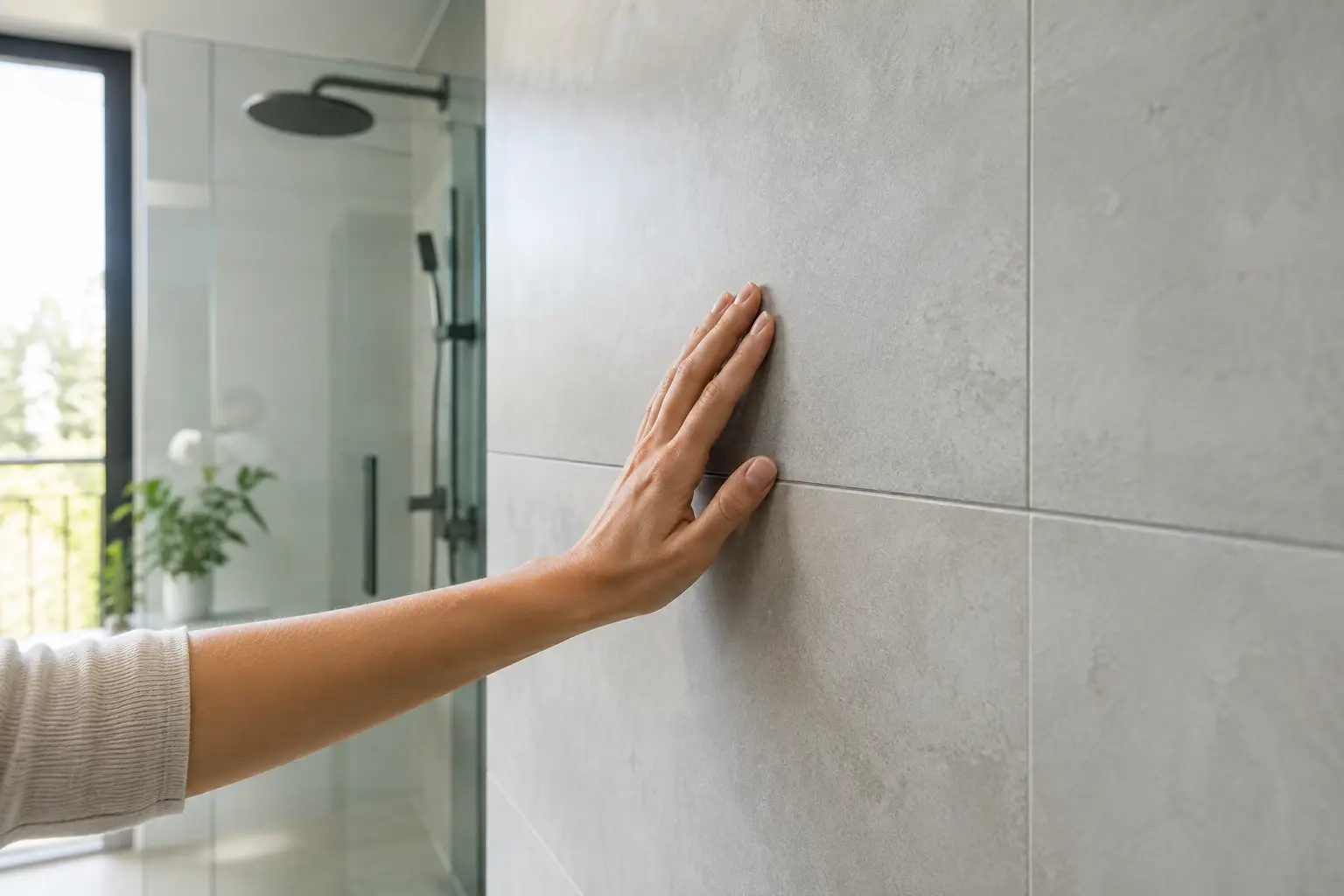
A shower can look great on installation day and still become a maintenance problem a few years later. That is why homeowners ask, do grout-free walls last? The straight answer is yes – a quality grout-free wall system can last for decades. But the material, the installation, and what is behind the wall matter far more than a glossy showroom sample or a salesperson’s big promise.
Grout-free walls are not a shortcut. When they are properly measured, installed, sealed, and supported, they are a practical long-term alternative to tile. They also eliminate one of the most failure-prone parts of a traditional tiled shower: the grout lines that collect moisture, soap residue, and mildew.
How Long Do Grout-Free Shower Walls Last?
Most professionally installed grout-free shower wall systems are designed to last 15 to 30 years or more. Premium acrylic and composite wall panels can often go longer with normal care. The real lifespan depends on the specific product and, just as importantly, whether the installation protects the wall structure from water.
That last part gets glossed over too often. A bathroom remodeling company can sell you a wall panel that looks premium, then cut corners on surface preparation, wall repair, waterproofing, or sealing. The panel may still look fine at first. The trouble shows up later as loose seams, water damage behind the walls, or caulk that repeatedly fails.
A good grout-free system is built as a complete shower solution. Panels must fit tightly, corners must be properly joined, fixtures must be sealed, and the substrate behind the walls must be sound. There is no magic material that can compensate for careless installation.
Why Grout-Free Walls Often Outlast Tile
Tile itself can last a very long time. The weak point is usually not the tile. It is the grout, the caulk, and the layers behind it.
Grout is porous, even when sealed. It absorbs moisture and gives soap scum and mildew something to hold onto. Over time, it can crack, discolor, or separate. Once water gets through compromised grout or failed caulk, it can reach the wall behind the tile. That is when a small cleaning annoyance becomes a repair project.
Grout-free walls reduce those risk points. Large wall panels have fewer seams, and many shower surrounds use interlocking edges or sealed joints designed to keep water where it belongs. Fewer joints mean fewer places for moisture and grime to build up.
That does not mean grout-free walls are indestructible. They can be scratched, damaged by impact, or compromised by failing caulk around fixtures and edges. But for a busy household that wants a shower that is easier to clean and easier to live with, fewer seams are a meaningful advantage.
The Material Makes a Major Difference
“Grout-free” describes a design, not one single material. Products vary widely in price, appearance, thickness, and expected performance. Treating them all as equal is how homeowners end up disappointed.
Acrylic wall systems
Acrylic panels are a popular choice because they are smooth, nonporous, and simple to maintain. Quality acrylic walls resist everyday staining and do not require grout sealing. They are also warm to the touch compared with tile and can be installed in a relatively short timeframe.
The trade-off is that acrylic can scratch if it is cleaned with abrasive pads or harsh powders. High-quality systems are made to stand up to daily use, but thin, bargain panels may flex, show wear sooner, or feel less substantial.
Composite and engineered stone-look panels
Composite panels can offer a more elevated look, including stone, marble, or tile-inspired patterns without the maintenance of real grout. They are often thicker and more rigid than basic acrylic panels, which can create a more substantial finished feel.
These panels can be exceptionally durable, but they require careful handling and precise installation. Their performance depends on using the correct adhesive, preparing a flat wall surface, and sealing every transition correctly.
Thin decorative panels
Some lower-cost products are primarily decorative overlays. They may be useful for a quick cosmetic update, but they are not automatically a long-term shower solution. If a panel is too thin, poorly adhered, or installed over an unstable surface, it may not deliver the lifespan homeowners expect.
The lesson is simple: do not buy based on a sample alone. Ask what the panel is made of, how thick it is, how seams are designed, and what warranty covers both the product and the installation.
Do Grout-Free Walls Last in a Real, Daily-Use Shower?
Yes, provided the shower is built for daily use rather than a quick sale. A properly installed wall system handles hot water, humidity, body wash, shampoo, and regular cleaning without needing the constant grout scrubbing associated with tile.
The most vulnerable areas are not usually the center of the panels. They are the transitions: corners, the tub or shower base connection, the shower valve opening, the showerhead opening, shelves, and glass-door attachment points. These areas need clean cuts, proper backing, and high-quality sealant.
This is why professional installation matters. A wall system can be beautiful and still fail if it is installed over water-damaged drywall, uneven framing, or an existing problem that nobody bothered to address. Fast is good. Rushed is not.
At ModernDayBath, the goal is not to drag homeowners through weeks of appointments and sales pressure. It is to make the buying process straightforward while still treating installation as the part that protects the investment. You should be able to see your options and pricing clearly without accepting shortcuts behind the walls.
What Can Shorten the Life of Grout-Free Walls?
Most early failures are preventable. Poor preparation is the big one. If the existing shower has hidden moisture damage, loose walls, mold concerns, or plumbing issues, covering it up with new panels does not solve the problem.
Cleaning habits also matter. Grout-free walls need less work than tile, not zero care. Skip abrasive scrubbers, steel wool, and harsh cleaners that can dull or scratch the finish. A soft cloth or nonabrasive sponge with a mild bathroom cleaner is usually enough. Wiping down the shower after use helps reduce soap film and mineral buildup, especially in homes with hard water.
Caulk deserves occasional attention as well. Even excellent caulk is a maintenance item. Check seams and fixture areas periodically for gaps, peeling, or discoloration. Addressing a small caulk issue early is inexpensive. Ignoring it until water reaches the wall cavity is not.
How to Choose a Wall System That Will Actually Hold Up
Do not let a contractor steer the conversation toward vague claims like “maintenance-free” or “built to last.” Ask better questions. What is the wall material? How are corners and seams joined? Is the existing wall checked for damage before installation? What is the process around plumbing penetrations? Who performs the installation? What does the warranty cover, and for how long?
You should also compare the full installed scope, not just the advertised starting price. Traditional remodelers often use a low opening number to get in the door, then rely on a long in-home sales presentation, vague upgrades, and manufactured urgency. That approach makes it harder to tell whether you are paying for better materials or simply paying for overhead and commissions.
A clear quote should show what is included: wall system, base or tub work when needed, fixture choices, installation, removal, and warranty coverage. No pressure. No mystery math after a two-hour sales pitch.
The Bottom Line on Grout-Free Wall Durability
Grout-free walls can be a long-lasting choice for a shower or tub surround, often delivering decades of service with far less cleaning effort than tile. The best results come from durable materials, sound wall preparation, precise installation, and basic ongoing care.
If you want the look of a finished, premium bathroom without signing up for endless grout maintenance, focus less on the word “grout-free” and more on the system behind it. A shower should make your mornings easier, not hand you another weekend chore.