
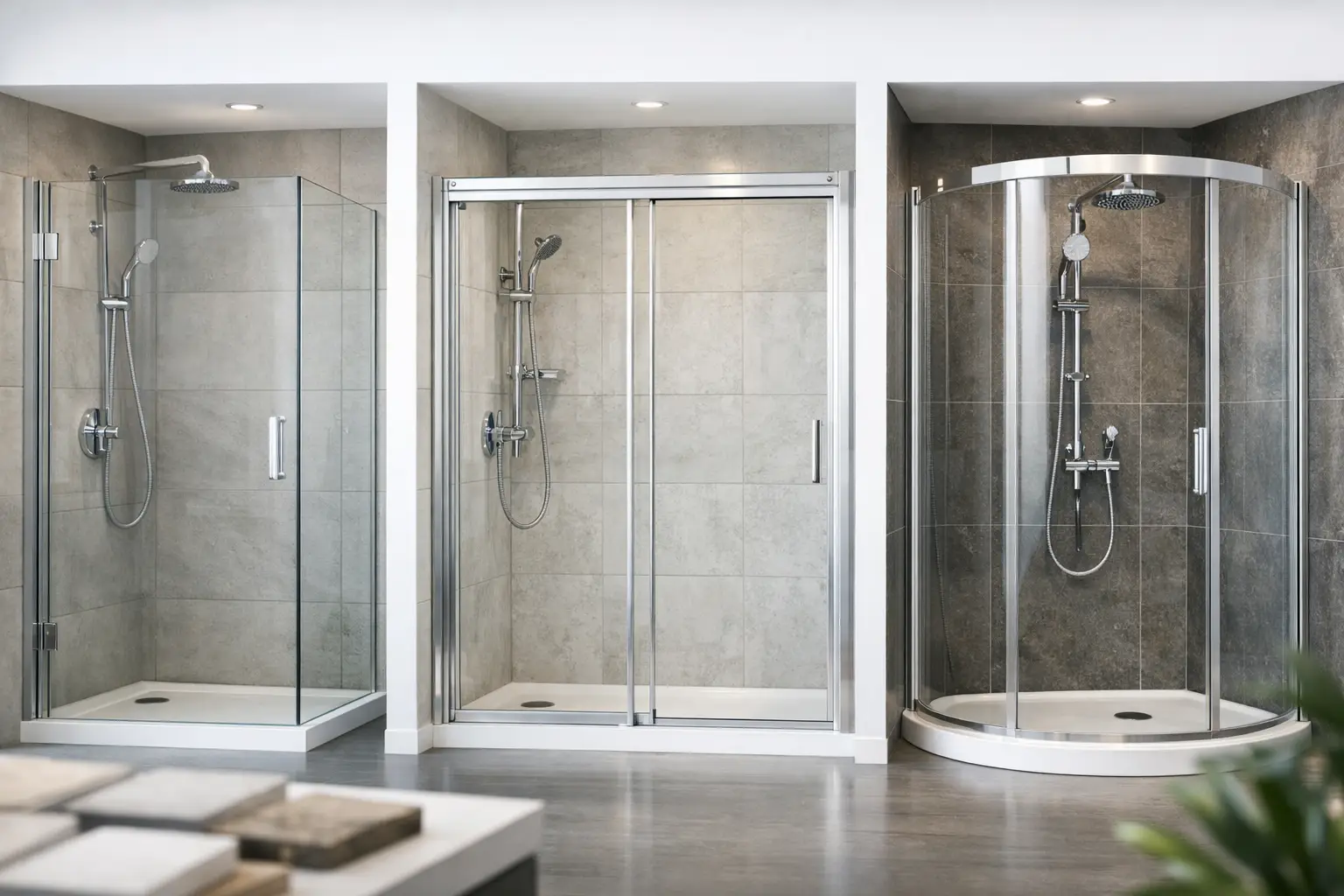
A shower enclosure can make a bathroom look open and expensive, or make it feel boxed in before you even turn on the water. The catch is that the prettiest photo is not always the smartest choice for your space, budget, cleaning habits, or existing shower base. This shower enclosure comparison cuts past showroom talk and focuses on what homeowners actually live with.
The right answer is rarely the most expensive door or the one a salesperson happens to have in stock. It is the enclosure that fits your layout, contains water reliably, works with your wall system, and does not create a cleaning chore you regret six months later.
Shower Enclosure Comparison: Start With Your Layout
Before comparing glass thickness, finishes, or door styles, look at how the bathroom functions. A narrow bathroom, an uneven older home, a shower tucked near a vanity, and a wide walk-in opening all call for different solutions.
A sliding door works well when there is no room for a door to swing outward. It keeps its movement within the shower opening, which can be a major advantage in compact bathrooms. The trade-off is that one side of the opening remains covered by a panel, and the bottom track needs regular attention to prevent buildup.
A pivot or hinged door creates a wider, cleaner entry because the whole opening can be accessible when the door is open. It is a strong choice for larger bathrooms and homeowners who prioritize easy access. But the swing path matters. If the door hits a toilet, vanity, towel bar, or bathroom door, it is not a good design, no matter how good it looked online.
A fixed glass panel, often called a walk-in shower screen, offers the most open appearance. It can be especially appealing for a modern shower remodel or a space designed with accessibility in mind. The limitation is water containment. A fixed panel needs enough shower depth, thoughtful fixture placement, and proper slope toward the drain. In a shallow shower, it can leave the floor outside the enclosure wetter than expected.
Framed, Semi-Frameless, and Frameless Glass
These terms are used loosely in the remodeling industry, so it helps to know what you are actually buying.
Framed shower enclosures
Framed enclosures use metal around the edges of the glass, usually with a track at the bottom. They are generally the most budget-friendly option and can handle minor variation in wall conditions more forgivingly than frameless systems. That matters in older homes where walls are not perfectly plumb.
Their downside is visual and practical. More frame means more places for moisture, soap residue, and mildew to collect. A well-made framed enclosure can still look clean and sharp, but it will not have the open, minimal look that many homeowners want from a premium remodel.
Semi-frameless shower enclosures
Semi-frameless designs reduce visible metal while retaining framing or support where it is needed. They sit in the middle on both price and appearance. For many homeowners, this is the practical sweet spot: a more updated look than a fully framed door, with fewer installation demands and lower cost than a true frameless system.
The exact design varies widely. Some semi-frameless doors have a framed perimeter with cleaner glass edges; others use thicker glass and more discreet hardware. Do not shop this category by name alone. Ask where the metal is, whether there is a bottom track, and how the door seals against the wall and threshold.
Frameless shower enclosures
Frameless enclosures use thick tempered glass and minimal hardware. They create the cleanest sightlines, make smaller bathrooms feel larger, and show off upgraded wall surrounds and fixtures. When installed correctly, they are a premium feature that changes the whole feel of the room.
They also require precision. Glass does not bend to compensate for crooked walls, poorly built curbs, or a shower base that is out of level. Frameless glass typically costs more because the material, measuring, hardware, and installation tolerances are more demanding. It is not just a thin-frame look at a higher price.
If someone presents frameless as automatically better, slow down. It is better when the shower structure supports it, the layout allows it, and the added cost matches your priorities. Otherwise, a high-quality semi-frameless enclosure may deliver nearly the same visual upgrade with fewer compromises.
The Cleaning Question Most Sales Pitches Skip
Glass looks easy to clean until hard-water spots and soap film show up. The enclosure style affects how much effort it takes to keep the shower looking good.
Frameless glass has fewer seams and tracks, so there are fewer places for grime to hide. That is a real advantage. But large uninterrupted glass panels also show water spots more clearly. A quick squeegee after showering makes a bigger difference than any marketing claim about maintenance-free glass.
Sliding doors need extra care because debris collects in the lower track. Look for track designs that are easy to access and wipe down, rather than narrow channels that trap water. Hinged doors are simpler at the bottom but have hinges and seals that should be checked periodically.
The wall material behind the enclosure matters just as much. Low-maintenance, nonporous shower walls eliminate grout lines, which removes one of the biggest cleaning headaches in a traditional tile shower. Pairing easy-clean walls with an enclosure that has minimal tracks is often a smarter long-term decision than spending every dollar on glass alone.
Safety, Access, and Daily Use
Every quality glass shower enclosure should use tempered safety glass. If it breaks, tempered glass is designed to crumble into small pieces instead of sharp shards. That is the baseline, not an upgrade.
Beyond glass safety, think about who uses the shower now and who may use it later. A wide opening, low threshold, stable grab bars, and room to move can matter more than a dramatic door style. If aging in place is part of your plan, a sliding door with a tall bottom rail or a narrow hinged entry may work against that goal.
There is also a practical question of reach. Can you turn on the water without stepping into the spray? Can you clean the inside and outside of the glass? Does the handle feel secure with wet hands? These details are easy to overlook during design and impossible to ignore after installation.
Cost: What You Are Really Paying For
A shower enclosure quote should not be judged by glass alone. The final price is shaped by the opening size, glass thickness, hardware finish, custom cuts, door type, wall conditions, and installation complexity.
Stock framed doors are usually the least expensive route. Semi-frameless models cost more but can provide a noticeable visual improvement. Custom frameless glass is typically the highest-cost option because it is measured for the finished opening and fabricated to fit it precisely.
Be cautious with unusually low advertised pricing. Some remodelers use a basic enclosure price to get in the door, then add costs for measurements, upgraded hardware, custom sizing, demolition, wall repairs, or installation. A low starting number is not transparency if the real price only appears after a long in-home sales presentation.
A better buying experience lets you see how design choices affect the price before you commit. You should be able to compare enclosure styles, wall finishes, fixtures, and installation scope without being cornered into a same-day decision. No sales reps. No pressure. No mystery discount that expires when the salesperson leaves.
How to Choose Without Overbuying
Choose a framed enclosure when budget and forgiving fit are the priority, especially in a straightforward replacement project. Choose semi-frameless when you want a cleaner look without paying for the precision and custom fabrication of fully frameless glass. Choose frameless when visual openness, premium finishes, and a tailored fit are worth the investment.
Then pressure-test the choice against your actual bathroom. Confirm door swing clearance. Think about water escaping from a walk-in panel. Consider hard-water maintenance. Ask whether the shower base, walls, and curb are ready for the enclosure you want. A beautiful door installed on a poorly planned shower is still a poor remodel.
For homeowners who want a simpler way to make those decisions, ModernDayBath puts the design and pricing process in your hands online, then pairs the finished plan with professional installation and a lifetime warranty. The point is not to sell the most glass. It is to build a shower that works every morning without demanding a sales appointment to understand the cost.
Your enclosure should feel like part of the room, not an obstacle in it. Pick the option that gives you the access, cleanup routine, and finished look you will still appreciate long after the renovation excitement wears off.