
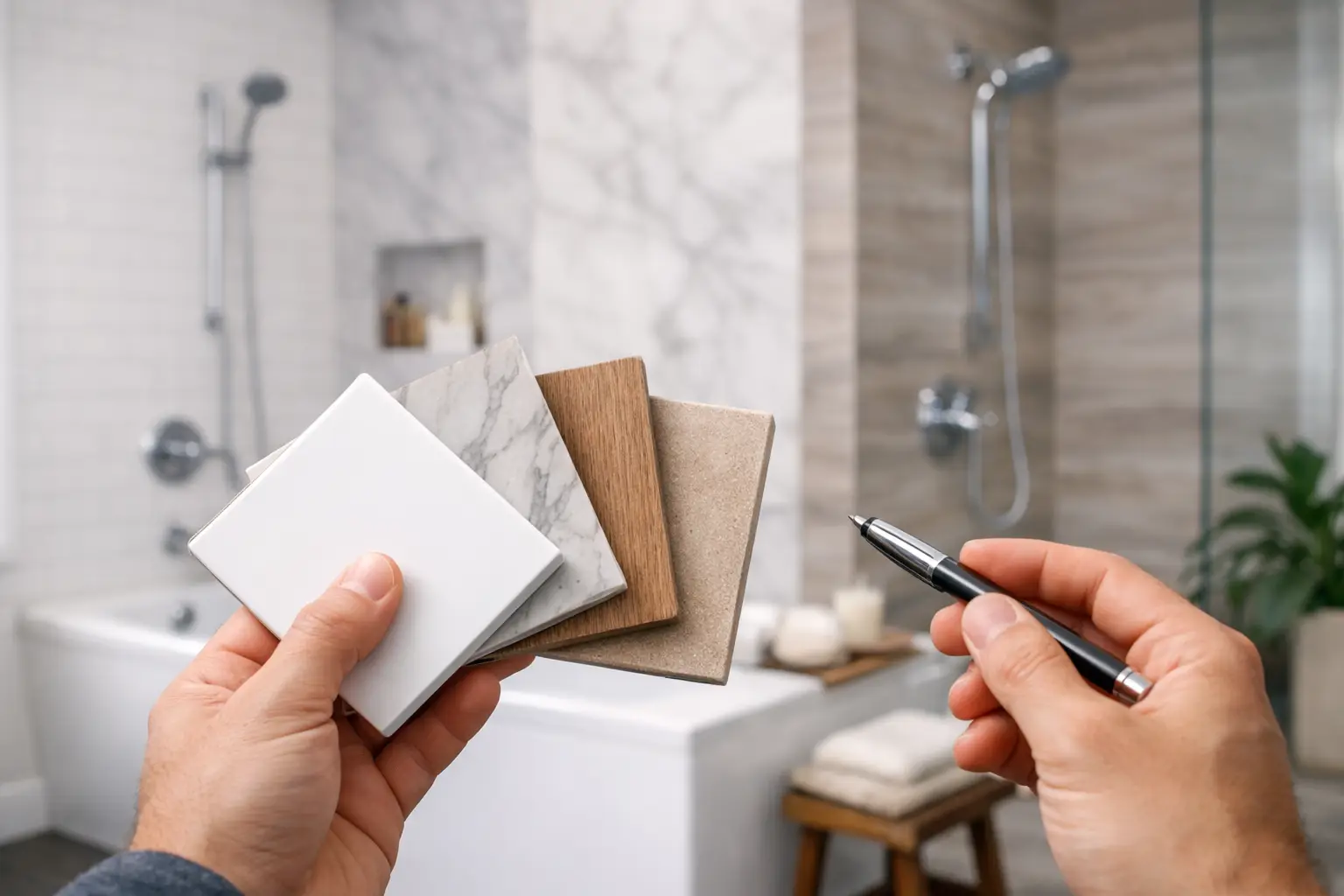
A bath surround can look great on day one and still be the wrong choice for your home. That usually happens when people focus on color first and everything else second. If you’re figuring out how to choose bath surround options that actually hold up, the smarter move is to start with maintenance, material quality, and how you use the bathroom every day.
That matters because bath surrounds are not all solving the same problem. Some are built for fast cosmetic updates. Some are built for long-term durability. Some look premium online but rely on thin materials, high-maintenance grout lines, or installation shortcuts that do not age well. A good surround should make the room easier to live with, not just easier to sell.
How to Choose Bath Surround Based on Real Life
Before you compare finishes or patterns, get clear on what this remodel needs to do. Is this the main bathroom used by kids every night? A guest bath that rarely gets heavy use? A tub-shower combo in an older home where you want a clean update without months of disruption? Those answers should drive the decision.
If low maintenance is high on your list, avoid anything that adds cleaning work just to get a certain look. Tile can be beautiful, but grout is a commitment. If you already know you do not want to scrub grout lines or deal with staining over time, a solid surface or large-panel wall system is usually the better call.
If durability matters most, pay attention to thickness, surface quality, and how the system is installed. Thin, flimsy panels can look acceptable at first and feel cheap later. A quality surround should feel substantial, resist cracking and warping, and maintain its finish through daily use.
And if budget is the pressure point, think in terms of total value, not just the lowest upfront quote. A cheap surround that needs repairs, extra maintenance, or full replacement sooner is not actually the budget option.
Start With Material, Not Marketing
A lot of bath remodeling decisions get harder than they need to be because the sales pitch is louder than the product details. Strip that away and focus on the material itself.
Acrylic and composite wall systems are popular for a reason. They are easier to clean than traditional tile, they install faster, and they can deliver a polished look without all the maintenance baggage. But quality varies. A better-grade acrylic or engineered wall panel should have consistent color, a durable finish, and enough rigidity to avoid a hollow or flimsy feel.
PVC-based panels can work in some projects, especially when cost is the main driver, but they are not always the premium answer. Some look less convincing up close, and lower-end versions may not wear as well over time. Fiberglass is another budget-friendly option, but it can be more prone to scratching, fading, or feeling dated.
Tile still has a place, especially if you want a very specific custom aesthetic, but it comes with trade-offs. More labor. More time. More cleaning. More potential failure points. For many homeowners, the right answer is not the most traditional one. It is the one that gives you the finished look you want without adding long-term hassle.
Think About Cleaning Now, Not Later
This is where a lot of regret starts. In the showroom or on a design page, textured finishes, grout lines, and intricate patterns can look impressive. Six months later, they can turn into one more thing you need to scrub.
If your goal is a bathroom that stays looking clean with minimal effort, smooth and nonporous surfaces are the clear winner. Fewer seams mean fewer places for mildew, soap scum, and residue to build up. That is especially useful in busy households where the bathroom gets real use and no one wants another high-maintenance surface.
This does not mean your surround has to look plain. Many modern wall systems mimic tile, stone, or slab looks without the maintenance issues of the real thing. The key is to separate appearance from upkeep. You can absolutely get a high-end look without signing up for high-end cleaning.
Style Should Match the House and the User
A bath surround should feel intentional in the space. That does not mean it needs to be dramatic. It means it should fit the home, the bathroom size, and the people using it.
In a smaller bathroom, lighter tones and simpler wall patterns tend to keep the room open and clean-looking. Busy prints or dark, heavy finishes can make a tight bath feel tighter. In a larger primary bath, you may have more room to go bold with a stone look or stronger contrast.
Also think about how long you plan to live with the design. Trendy choices can be fun, but neutral and classic usually age better. If resale is even a minor consideration, a surround that looks current without being overly specific is often the safer move.
Fixtures matter too. Your wall surround and hardware should work together. Warm finishes, cool grays, bright whites, matte black, brushed nickel – none of these are wrong, but mixing them without a plan can make a new remodel feel pieced together.
Installation Quality Matters as Much as the Surround
You can choose the right material and still get the wrong result if the installation is rushed or sloppy. That is why bath surround shopping should never stop at the product.
Ask how the walls are prepped. Ask what happens if moisture damage is found behind the existing tub area. Ask how seams are handled, how corners are finished, and whether the installation team works with this system every day or just occasionally. A surround is only as reliable as the installation behind it.
Fast installation is a real advantage, but only when it is paired with process and skill. One-day and short-turn installations can be great when the system is designed for it and the crew knows exactly what they are doing. They are not great when speed is just being used as a sales hook.
That is one reason many homeowners now prefer a more transparent buying model. Instead of sitting through an in-home pitch built around inflated pricing and fake urgency, they want clear product options, real numbers, and a straightforward installation plan. Fair enough.
How to Choose Bath Surround Options for Your Budget
Budget should shape the decision, but it should not shrink it down to the cheapest line item. The better question is what you are buying for the money.
If you are comparing quotes, make sure you are comparing the same scope. One estimate may include wall panels only, while another includes demo, trim, fixture updates, waterproofing, and professional installation. A lower price can hide a thinner product, fewer included details, or future add-ons.
Warranties deserve a closer look too. A lifetime warranty sounds strong, but only if it covers the parts of the job that actually matter and comes from a company you trust to stand behind it. Read past the headline.
This is where pricing transparency matters. Homeowners should be able to understand what changes the price, what is included, and what they are committing to before anyone asks for a big decision. That is not a luxury. It should be standard.
A Simple Way to Narrow the Field
If the choices are starting to blur together, use this filter. First, choose the maintenance level you can actually live with. Second, choose the material quality that fits your timeline and budget. Third, choose the style that will still look right a few years from now.
Once those three are locked in, the decision usually gets easier. You are no longer shopping based on hype or pressure. You are shopping based on what works.
For many homeowners, that means a premium low-maintenance wall system with clean lines, solid installation, and pricing that is clear from the start. That is exactly why companies like ModernDayBath are rethinking the remodel process around speed, clarity, and control instead of drawn-out sales games.
The best bath surround is not the one with the flashiest sample. It is the one that fits your bathroom, your routine, and your patience level after the remodel is done.