
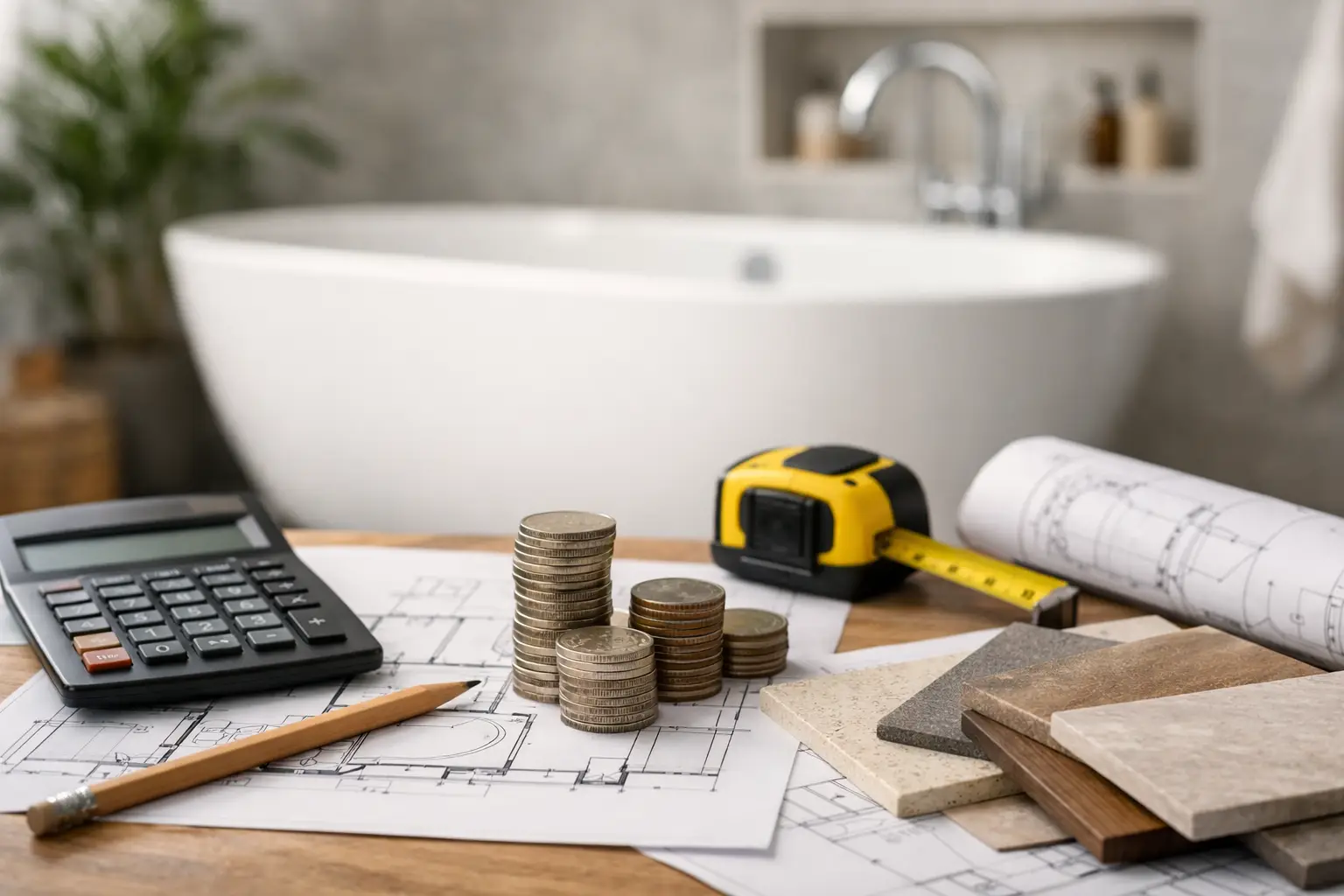
Sticker shock usually shows up before the first tool does. You start out thinking you need a simple tub swap, then suddenly you are pricing wall surrounds, plumbing updates, fixtures, demo, and installation windows. If you are trying to figure out how to budget a bath replacement, the goal is not just getting a number. It is knowing which numbers are real, which ones are padded, and where your money actually changes the finished result.
A bath replacement should feel predictable. Too often, it does not. Traditional remodeling companies have trained homeowners to expect vague estimates, drawn-out appointments, and pricing that somehow changes depending on who is sitting at the kitchen table. That makes budgeting harder than it needs to be.
The good news is that bath replacement costs are not random. Once you break the project into its main cost drivers, you can set a realistic budget, protect yourself from surprise charges, and decide where to spend more and where to keep it simple.
How to budget a bath replacement without guessing
The cleanest way to budget is to separate must-haves from nice-to-haves. Start with the core question: are you replacing an existing bathtub with another bathtub in roughly the same footprint, or are you making bigger changes to layout, plumbing, or wall finishes? That answer shifts the budget more than almost anything else.
A straightforward replacement is usually the most budget-friendly path. If the tub stays in the same location and your plumbing does not need major changes, you are mostly paying for removal, the new bathing system, wall materials, fixtures, and installation. Once you start moving drains, reworking framing, or correcting water damage, costs rise fast.
For most homeowners, a realistic budget starts by grouping expenses into three buckets: the bathing product itself, labor and installation, and contingency costs. That last bucket matters because bathroom projects sometimes reveal problems you could not see before demolition.
The biggest cost drivers in a bath replacement
Not every line item carries equal weight. A few choices shape the budget far more than the rest.
Tub type and wall system
A basic replacement tub will cost less than a deeper soaking tub or a high-design model with upgraded features. The wall system matters too. If you choose low-maintenance, waterproof wall panels instead of tile, you may reduce labor and long-term upkeep. Tile can look great, but it often costs more upfront and gives mold, grout cleaning, and install time more room to become your problem later.
If your main goal is a clean, premium look without turning the bathroom into an open-ended project, this is usually where simplicity pays off.
Plumbing and fixture upgrades
New trim, a new showerhead, and a modern faucet can sharpen the final look without blowing up the budget. But if valves are old, plumbing is out of code, or the drain setup needs to move, that is a different conversation. Hidden plumbing work is one of the most common reasons a bath replacement comes in above the number a homeowner expected.
This does not mean you should avoid upgrades. It means you should ask early whether your quote includes plumbing modifications or only cosmetic fixture replacement.
Demolition and prep work
Removing an old tub is not always simple. Tight spaces, heavy cast iron tubs, damaged subfloors, and old wall materials can add labor. Homes with age-related issues may need more prep before the new system goes in.
That is why low teaser pricing can be misleading. A company can advertise a bath replacement at a very attractive number, then add charges once the project starts. Budgeting well means assuming the install environment matters, not just the product catalog.
Installation model
The company you hire affects the budget as much as the materials you choose. Some remodelers build in the cost of commission-driven sales teams, repeated home visits, showroom overhead, and room to negotiate fake discounts. You end up paying for the sales process, not just the remodel.
A more streamlined buying model can reduce that waste. If pricing is transparent from the start and product choices are shown clearly, it becomes much easier to budget based on facts instead of sales tactics.
What a smart bath replacement budget looks like
If you want a practical framework, start with your all-in number, not your ideal product number. Homeowners often say, “I want to spend around $8,000,” but they are really talking about the tub or visible finishes. Your actual budget should include product, installation, possible repairs, tax if applicable, and a small reserve.
A good rule is to build your budget in layers.
First, set your target spend. This is the number you would be comfortable approving if the project goes as planned.
Second, set your ceiling. This is the highest number you are willing to accept if a legitimate issue comes up, like hidden water damage or a required plumbing correction.
Third, decide which upgrades are optional. That might include premium hardware finishes, upgraded shelving, built-in accessories, or designer wall patterns. These are the easiest places to adjust if the quote comes in higher than expected.
That approach gives you control. Instead of reacting emotionally to one big price, you are making decisions in order of importance.
How to compare quotes without getting played
If you are collecting estimates, compare scope before price. A lower quote is not better if it leaves out demolition, wall surround materials, fixture replacement, haul-away, or labor. It is only cheaper on paper.
Ask each company what is included in the quoted price and what could trigger additional charges. If the answer is vague, assume the uncertainty lands on your bill later.
It also helps to ask whether the quote was built around your actual selections or around a promotional starting price. Those are not the same thing. A starting price is marketing. A real quote is a budgeting tool.
Some homeowners make the mistake of chasing the lowest number because they assume all bath replacements are basically equal. They are not. Product quality, waterproofing approach, warranty, install experience, and lead times all affect value. The cheapest option can become the expensive one if it ages poorly or creates maintenance issues.
How to budget a bath replacement when money is tight
Not every homeowner wants the most upgraded package. A lot of people just want the bathroom to look better, function properly, and stop feeling dated. That is reasonable.
If your budget is limited, focus on the parts of the project that change everyday use. Put the money into a durable tub, reliable installation, and wall materials that are easy to maintain. Be selective with decorative extras.
This is also where avoiding unnecessary process costs matters. If you can shop, configure, and price your replacement without sitting through a long in-home pitch, you are already cutting out a layer of expense that often has nothing to do with the finished bathroom.
For homeowners in Ohio and nearby Midwest markets, where practical value tends to matter as much as appearance, that tradeoff is especially relevant. A bath replacement should improve the home and your daily routine, not trap you in a bloated financing decision.
Common budgeting mistakes to avoid
One mistake is budgeting only for the visible materials. Another is assuming a bath replacement is always a one-day cosmetic swap. Sometimes it is. Sometimes conditions behind the old tub say otherwise.
A third mistake is over-improving for the space. If the rest of the bathroom is modest, spending heavily on luxury add-ons may not bring enough return in comfort or resale. You want the replacement to feel cohesive, not overbuilt for the room.
The last mistake is waiting too long because pricing feels confusing. Delaying a worn-out bath can turn a manageable replacement into a larger repair if leaks, mold, or soft subflooring are already developing.
The budget question that matters most
The right question is not, “What is the cheapest way to replace my bath?” It is, “What am I paying for, and is it worth it?”
That mindset changes everything. It pushes you to look at transparency, product durability, install quality, and whether the buying experience respects your time. It also helps you avoid the old remodeling script where the price starts high, gets “discounted,” and still leaves you unsure what you actually bought.
A bath replacement is a practical investment. You use it constantly. You clean it constantly. And if it is done right, you stop thinking about it because it simply works.
So when you build your budget, do not just aim for a lower number. Aim for a clearer one. The best remodel decisions usually come from seeing the full cost upfront, understanding the tradeoffs, and choosing the version of the project that makes your life easier the day it is installed and every day after.