
Most homeowners ask what is included in shower installation only after they’ve seen two quotes that look nothing alike. One price seems low until the fine print shows add-ons for plumbing, demolition, haul-away, or wall surrounds. Another sounds expensive until you realize it includes the parts and labor the first quote left out. That gap is where remodeling gets frustrating.
The real answer depends on the company, the condition of your bathroom, and whether you’re replacing a basic shower or reworking the whole space. But there are standard pieces you should expect in a professional shower installation, and there are a few items that are often treated like extras even though they’re essential to the finished result.
What is included in shower installation, usually?
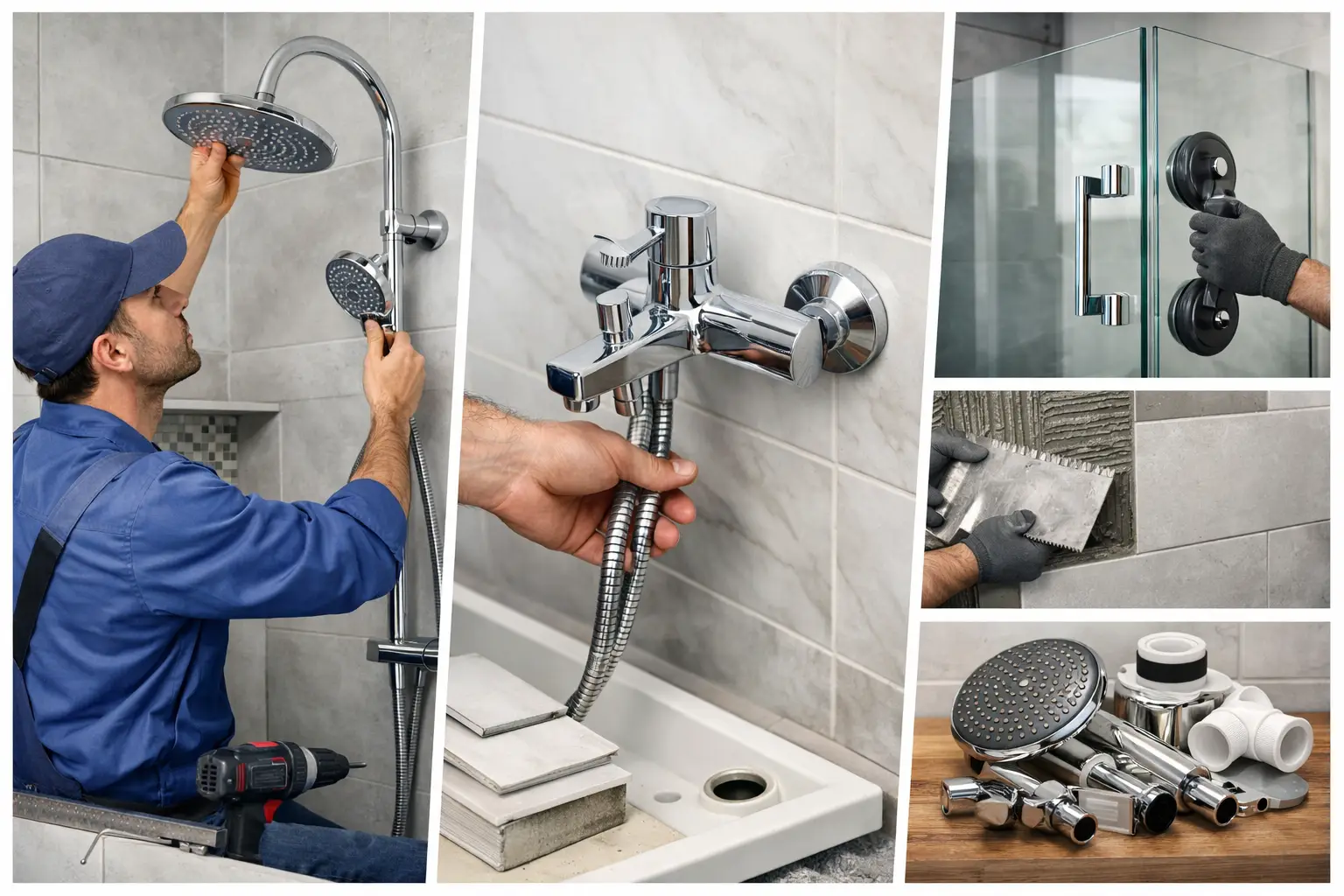
At a minimum, a full shower installation usually includes removal of the old shower or tub area, prep of the existing space, installation of the new shower base or pan, wall surround or wall panels, plumbing fixture installation, sealing, and final cleanup. In many cases, labor, debris removal, and basic waterproofing are also part of the package.
That said, not every quote means the same thing. Some contractors price the visible materials first, then layer in the necessary work later. Others bundle everything into one number. If you want an apples-to-apples comparison, ask for a breakdown of materials, labor, demolition, plumbing work, and warranty coverage before you decide anything.
Demolition and removal of the old unit
This is one of the first things that should be clearly included. Shower installation typically starts with removing the old fiberglass insert, tile shower, tub-shower combo, or damaged wall surround. If the old unit is bulky or built into the space, getting it out can take more time than homeowners expect.
A real quote should spell out whether demolition is included, whether debris haul-away is included, and whether there are extra charges for difficult removal. If a contractor gives you a very low starting price, this is one of the first places hidden costs tend to show up.
Removal also matters because the installer may discover water damage, mold, rotted framing, or outdated plumbing once the walls are opened. That does not mean every project will uncover a problem. It does mean a good installer should explain ahead of time what happens if they find one.
Surface prep and waterproofing
Once the old shower is out, the installation area has to be prepared. That can include leveling the floor, repairing minor wall issues, adjusting studs, and making sure the new system has a stable, dry surface.
Waterproofing is one of those categories that sounds obvious but is not always explained well. If you are installing a modern wall panel system, the product itself may be water-resistant or waterproof, but proper sealing at seams, corners, and fixture penetrations still matters. If you are comparing tile to low-maintenance wall systems, this is one of the biggest practical differences. Tile has more joints, more grout, and more places where moisture management can fail over time. Solid or engineered wall systems typically reduce that maintenance burden.
Minor prep is usually included in shower installation. Major structural repairs usually are not. If your subfloor is soft or your framing has extensive damage, that often becomes a separate repair line item.
Shower base or pan installation
The shower base is the foundation of the system. It directs water to the drain, supports the user’s weight, and sets the footprint for the walls and door. In many shower remodels, the base is a low-threshold acrylic, composite, or engineered material designed for durability and easier cleaning.
If you are replacing a tub with a walk-in shower, this is a key part of the project. The installer may need to adjust the drain location, ensure the base is properly leveled, and fit the new pan to the room dimensions. This work is not cosmetic. If the base is installed poorly, the whole shower can feel off, from drainage performance to door alignment.
A complete quote should specify the type of base included, its size, threshold height, color options, and whether custom fitting is part of the job.
Wall surround or wall panel system
For many homeowners, this is the part they picture first because it defines how the shower looks when the job is done. In practical terms, it also defines how much maintenance the shower will need.
Most shower installations include either wall panels, acrylic surrounds, composite surrounds, or tile. A low-maintenance wall system usually includes the panels themselves, trim pieces, adhesive or fastening methods, and sealant. If there are built-in shelves, soap dishes, corner caddies, or recessed niches, those may be included or offered as upgrades.
This is where quotes can get fuzzy fast. One company may advertise a shower installation price based on a basic white surround, while another includes upgraded patterns, textures, or stone-look finishes. Neither approach is wrong, but you should know exactly what finish level is in your number.
Plumbing fixtures and connections
Another major answer to what is included in shower installation is the plumbing fixture package. That usually means the shower valve trim, showerhead, handle, drain assembly, and any related visible hardware. If you are adding a handheld sprayer, slide bar, rainfall head, or diverter, that may raise the price.
Basic connection to existing plumbing is commonly included. But there is an important distinction between reconnecting to plumbing that is already in the right place and reworking plumbing behind the wall. If the valve is outdated, if the drain needs to move, or if the supply lines need to be brought up to code, the labor can increase.
A transparent quote will separate standard plumbing hookup from major plumbing modifications. That matters because homeowners often assume all plumbing is included, while some contractors only include the easy part.
Doors, rods, and enclosure details
Not every shower installation includes a glass door by default. Some packages include a shower curtain rod, while others include a framed or frameless glass enclosure as an upgrade. If your quote says “shower installation,” do not assume the door is part of it unless it is listed.
Glass can be one of the biggest price variables in a shower remodel. Frameless glass looks great and feels premium, but it costs more than a standard framed enclosure or rod-and-curtain setup. If budget matters, this is one of the easiest places to compare options without affecting the core function of the shower.
Accessories and safety features
Many homeowners want more than just the basics, especially if they are remodeling for comfort, aging in place, or easier daily use. Accessories might include built-in shelving, a recessed niche, grab bars, fold-down seating, handheld shower wands, or low-threshold entry.
These items are not always included in a base installation price, but they are often worth discussing early because they can affect layout and installation method. A grab bar, for example, is best planned before the walls are finished so backing and placement are handled correctly.
If accessibility matters now or might matter later, this is not the place to cut corners.
Labor, cleanup, and warranty
Professional labor should be a central part of the quote, not an afterthought. That includes measurement, fitting, installation, sealing, testing, and final cleanup. Debris haul-away should also be listed clearly. You should not be left with old shower parts in the driveway unless that was agreed to upfront.
Warranty coverage matters too. Some warranties cover materials only. Others cover workmanship for a short period. The stronger option is a clear product and installation warranty that gives you confidence the company stands behind the whole job.
This is one reason the buying experience matters just as much as the product. A shower can look sharp on day one and still become a headache if the installer cuts corners or the quote was built around omissions. That old-school remodel model – low teaser price first, details later – is exactly why so many homeowners feel burned.
What is usually not included in shower installation?
There are a few items that are often outside a standard shower installation package. Extensive mold remediation, major structural repair, moving walls, electrical relocation, painting the whole bathroom, flooring outside the shower area, and unrelated fixture upgrades like a new vanity or toilet are usually separate.
Permits can go either way depending on the project scope and local requirements. If the job involves significant plumbing changes, ask who handles permits and whether the cost is included.
This is where clear communication beats a flashy sales pitch. If a company cannot explain what is and is not included without a lot of vague language, keep looking.
How to read a shower installation quote without getting burned
Start with the full scope, not just the price. Ask what materials are included, what labor is included, what happens if damage is found, and which upgrades are optional. Then ask whether demolition, haul-away, plumbing adjustments, wall surrounds, fixtures, and warranty are all in writing.
The best shower installation experience is not the one with the most dramatic discount. It is the one where you know what you’re buying before work starts. That is why modern, online-first remodeling has gained traction with homeowners who are tired of showroom games and living-room sales presentations. Clear options. Real pricing. No pressure.
If you’re comparing shower remodel quotes, don’t just ask how much it costs. Ask what that number actually buys you. That one question can save you a lot of money, frustration, and second-guessing later.